
Phase converter FAQ
Answers on start-up behaviour, motor loading and single-phase supply limits for converter-fed workshop machines.
Common workshop questions
The questions here cover what happens in the seconds after a machine is switched on.
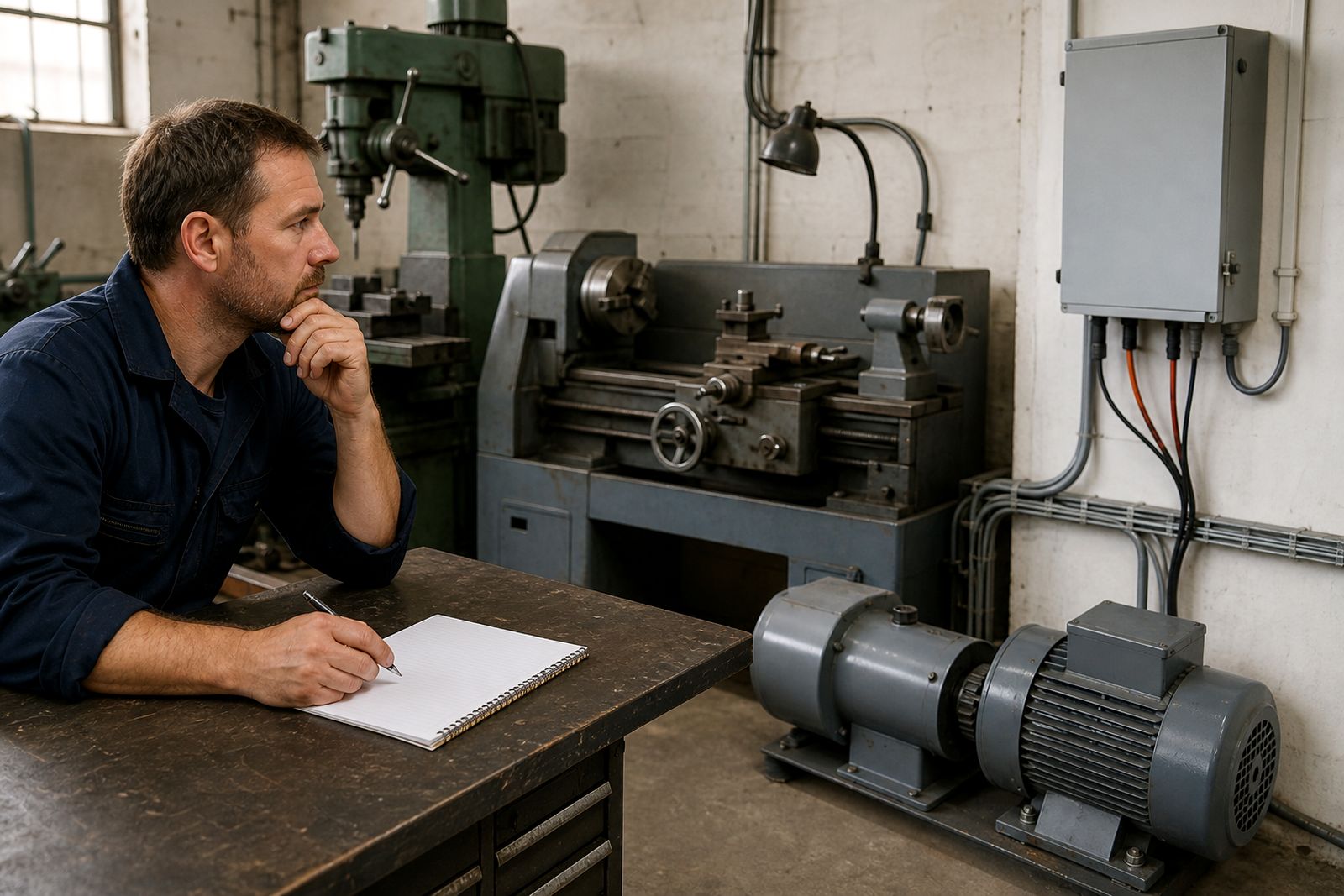
Different machines such as lathes, compressors and panel saws each place unique demands on a single-phase feed, especially during start-up under load. Motor plate specifications, breaker size and starting method all play a role in how a phase converter performs when starting, along with factors like cable distance, utility voltage drop and workshop temperature.
Breaker and plate ratings give your electrician or technician what’s needed to check for supply issues or faults in the motor or control circuit. Nuisance tripping can trace back to cables that are too small or contactors that are worn out.
Common workshop sticking points
Starting current, motor loading, overload settings and the limits of running three-phase equipment from single-phase supply are the main topics. Plate data, machine type and symptoms that all match in your notes make troubleshooting much more effective.
Questions get clearer answers with:
- Power, voltage and connection details from the motor plate
- Start-up faults described exactly as they appear
- The limits of the single-phase supply
How local supply affects your machines
Hard starts, hot running or dropout under cutting load can point to supply voltage problems. Review these differences before discussing any converter size.
Notes for troubleshooting and installation
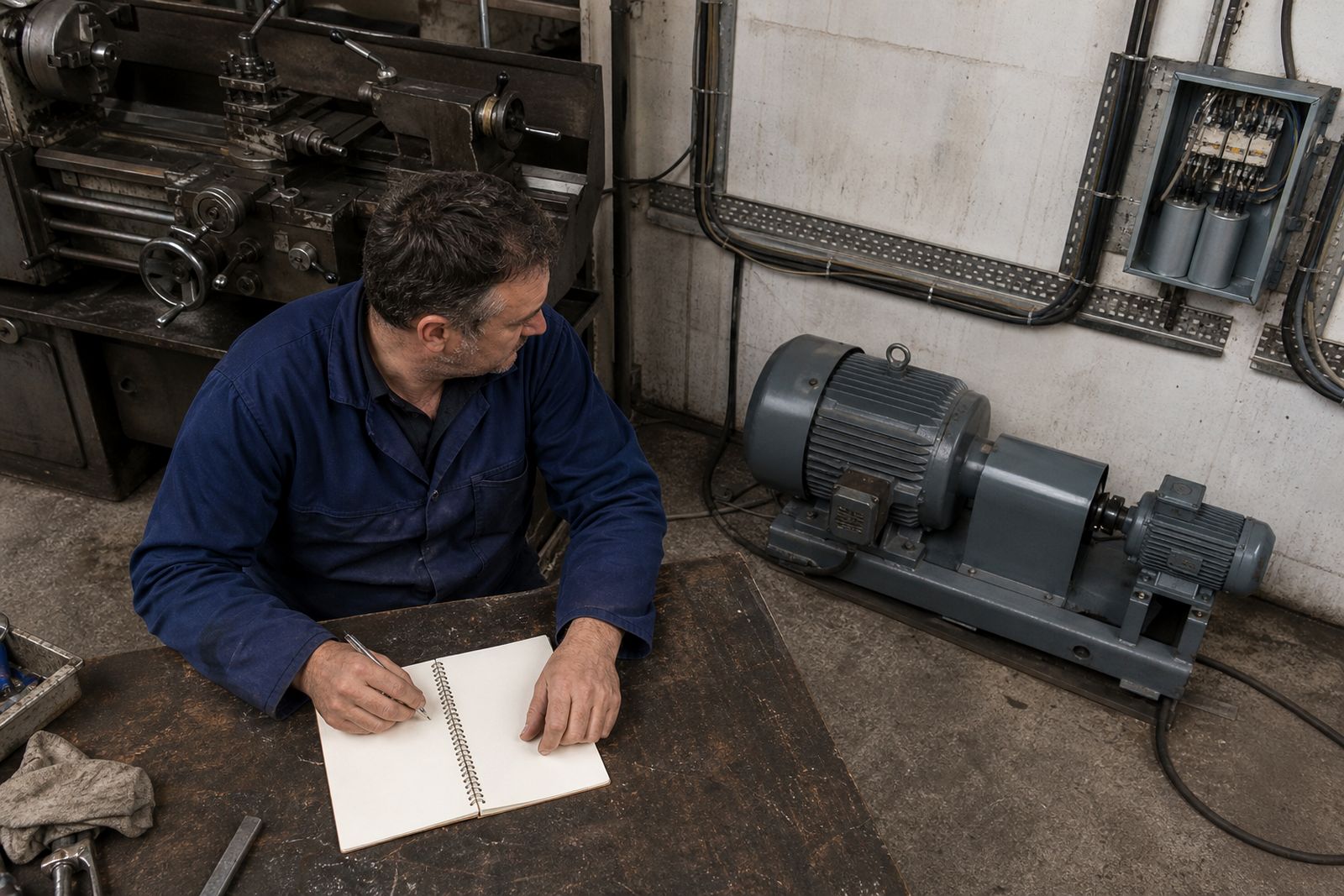
Wiring details at connection points, including how each wire is connected and any labels or markings, are important for accurate installation and troubleshooting on site.
Note recent changes to workshop wiring or equipment layout, as they help with troubleshooting supply or starting issues.
Start-up checks for workshop machines
This FAQ answers the practical questions that come up when a lathe, compressor, pump, milling machine or saw needs to start from a single-phase supply. The first few seconds matter most, especially when the machine is already under load or the motor is set up with a heavier starting demand than expected.
If start-up is rough, the quickest checks are usually in the machine data and the installation notes. Your registered electrician can compare the motor nameplate, breaker size and cable run with the converter type selected, then look for signs that the control circuit, contactor or overload settings need attention.
- Confirm the motor nameplate details and starting method.
- Check breaker size, cable length and termination quality.
- Note exactly when tripping, slowing or humming starts.
- Keep record of any recent wiring changes or repairs.
Loading limits in everyday use
Rotary and static phase converters are used across South African workshops, farms and small plants where three-phase machines must run from a single-phase supply. The key question is not only whether the machine starts, but how it behaves once cutting, pumping or compressing begins and the load settles in.
Machines with different starting demands do not behave the same way. A drill press may be straightforward, while a compressor or saw can place a stronger demand on the supply during start-up and again when the load changes. That is why written commissioning guidance is useful after installation, and why remote checks can help if symptoms appear later.
If the machine trips, stalls or runs hotter than normal, send site photos and the motor plate details through the contact form so the issue can be reviewed before any further adjustments are made.
Getting help from the converter team
Phase Converters supplies rotary units, static kits, idler packs, panel mounts, soft starts, enclosures, cable sets and spares, with written commissioning guidance, remote checks and warranty help. The customer's own registered electrician installs the converter, which keeps the work aligned with local site wiring and the machine's own control gear.
For advice, sample viewings by appointment, or a quote via the contact form, you can speak with the team from head office at 2 Makro Place, Sunnyrock, Germiston, or visit Clearwater, Cresta, Pavilion, Tyger Valley, Gqeberha, Mimosa or Riverside by appointment. The team can help you compare the motor plate details, supply limits and installation notes before work starts.
What our Phase Converter customers say
Verified Google reviews
Also worth a look
Tell us about your machine
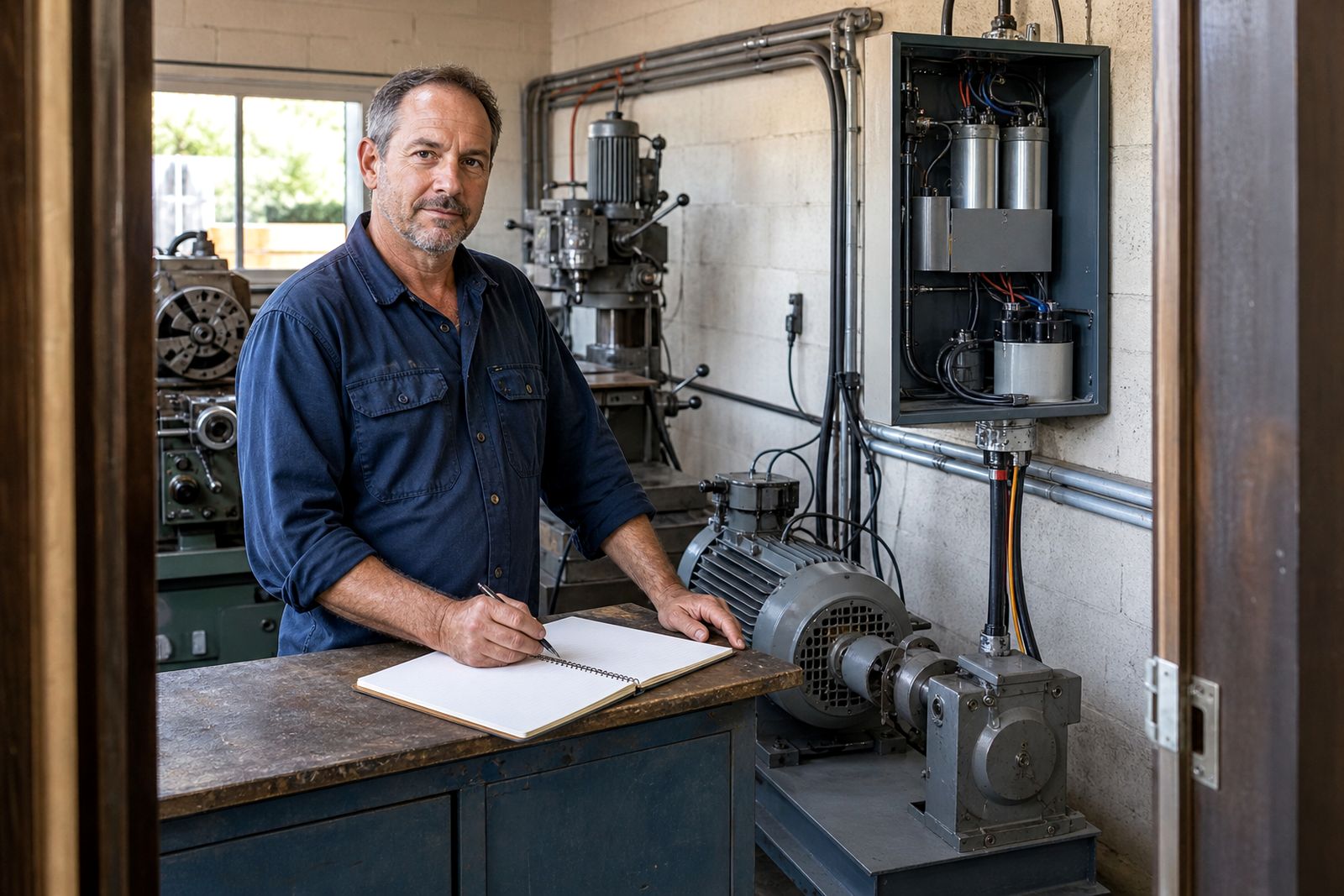
Send a note through our contact form with the machine type, the motor plate kW and voltage, your supply (single-phase breaker size), the cable run and your area, and we will come back with practical converter options and a quote.
Open the contact form