

Rotary unit
Rotary converters for heavy starts and machines running near their rating, sized from the motor plate and supply.
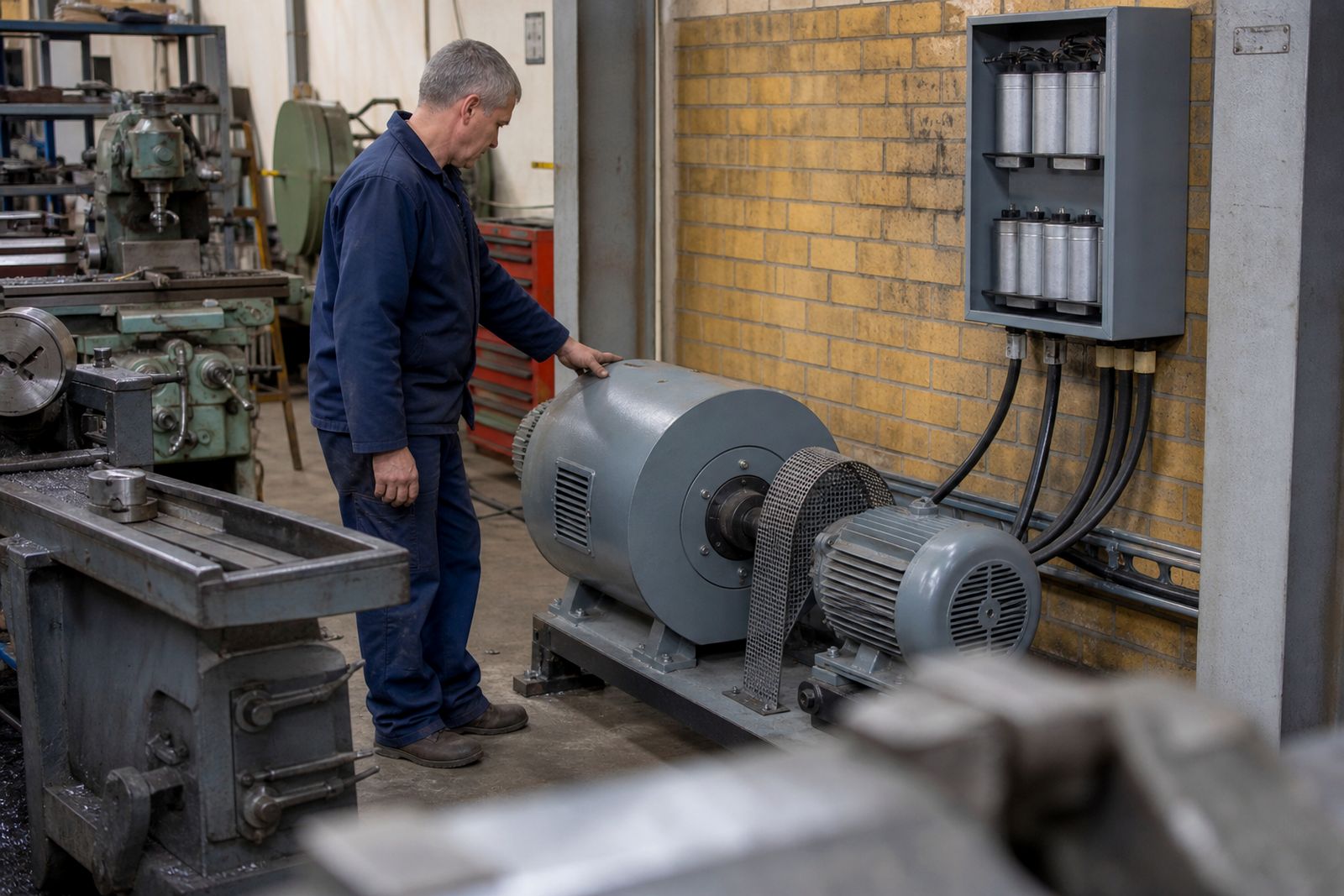
Rotary unit workshop layout
Choosing a rotary unit setup depends on reviewing full-load current, available single-phase supply, and specific details from the machine plate. Lathes, saws, compressors and milling machines each place a unique starting demand on the converter.
Planned converter position, machine plate information and DB board setup all play a role in a smooth installation. Cable entry points, available wall space, and isolator location matter especially with heavier equipment needing a fixed installation. Careful planning at this stage helps prevent unexpected wiring changes later on.
Rotary unit fit requirements
Daily operation of a single machine area benefits from a setup tailored to input supply, motor size, overload protection, earthing, and mounting position near the equipment. Frequent starts and specific installation factors matter more than a general list of units.
Rotary layouts raise three planning points:
- Final machine position, settled before any cable route
- Earthing and isolator access that suits the machine area
- Overload protection for heavy machines that start and stop often
What a rotary unit does
A rotary phase converter is used where a workshop, farm or small plant needs three-phase machines but only has single-phase supply. It creates the right kind of supply for equipment that has heavier starting demand or runs close to its rating, including lathes, milling machines, saws, compressors, drill presses, pumps and CNC routers.
These units are often chosen for fixed machine areas where one converter is feeding one or more nearby loads. They can be supplied as rotary units, idler packs, panel mounts, soft starts, enclosures, cable sets and spares, depending on the installation layout and the machine being served. For more on the available formats, see the rotary unit specs.
Preselection checks
- Read the motor nameplate for kW, voltage and full-load current.
- Check the starting load, especially on compressors and other hard-starting equipment.
- Confirm the available single-phase supply and the distribution board arrangement.
- Plan the cable run, cable entry points and isolator position before fitting starts.
- Decide whether a wall-mounted enclosure, panel mount or other fixed arrangement suits the space.
Coastal humidity, Highveld dust and workshop heat all make neat cable routing, proper earthing and suitable enclosure selection worth checking early.
Installation and aftercare
The customer’s own registered electrician installs the converter and connects it to the workshop wiring and machine side. Phase Converters supplies written commissioning guidance, remote checks and warranty help, so the electrician can work through the setup with support if needed. If you are planning a new machine bay or upgrading an existing one, send site photos and motor plate details through the contact form for practical guidance.
Samples and product viewing can be arranged by appointment at the Clearwater, Cresta, Pavilion, Tyger Valley, Gqeberha, Mimosa and Riverside showrooms, and head office is at 2 Makro Place, Sunnyrock, Germiston.
Related pages
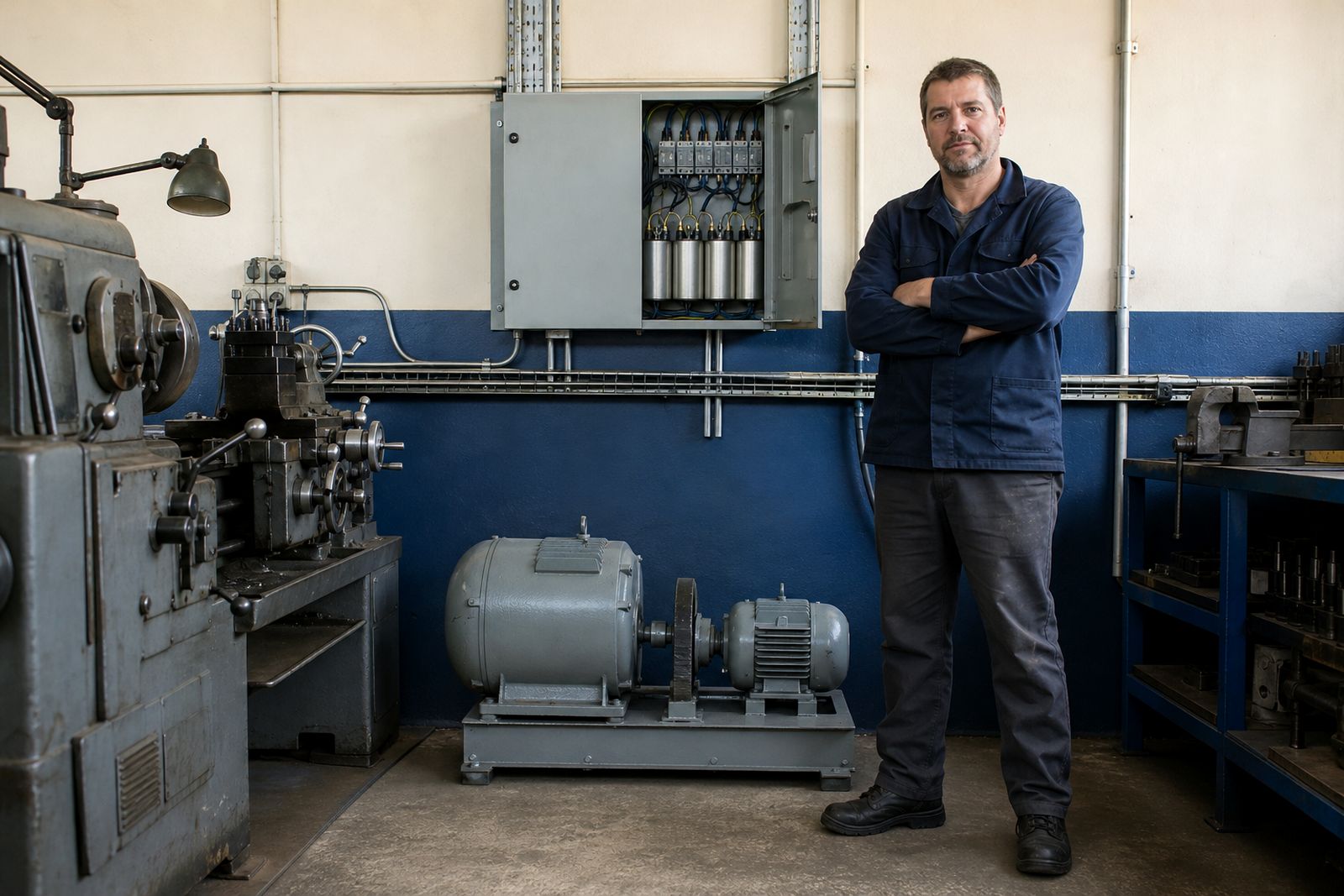
Rotary unit specifications
Layout, load and installation requirements for the rotary converter arrangement in the rotary unit.
Read more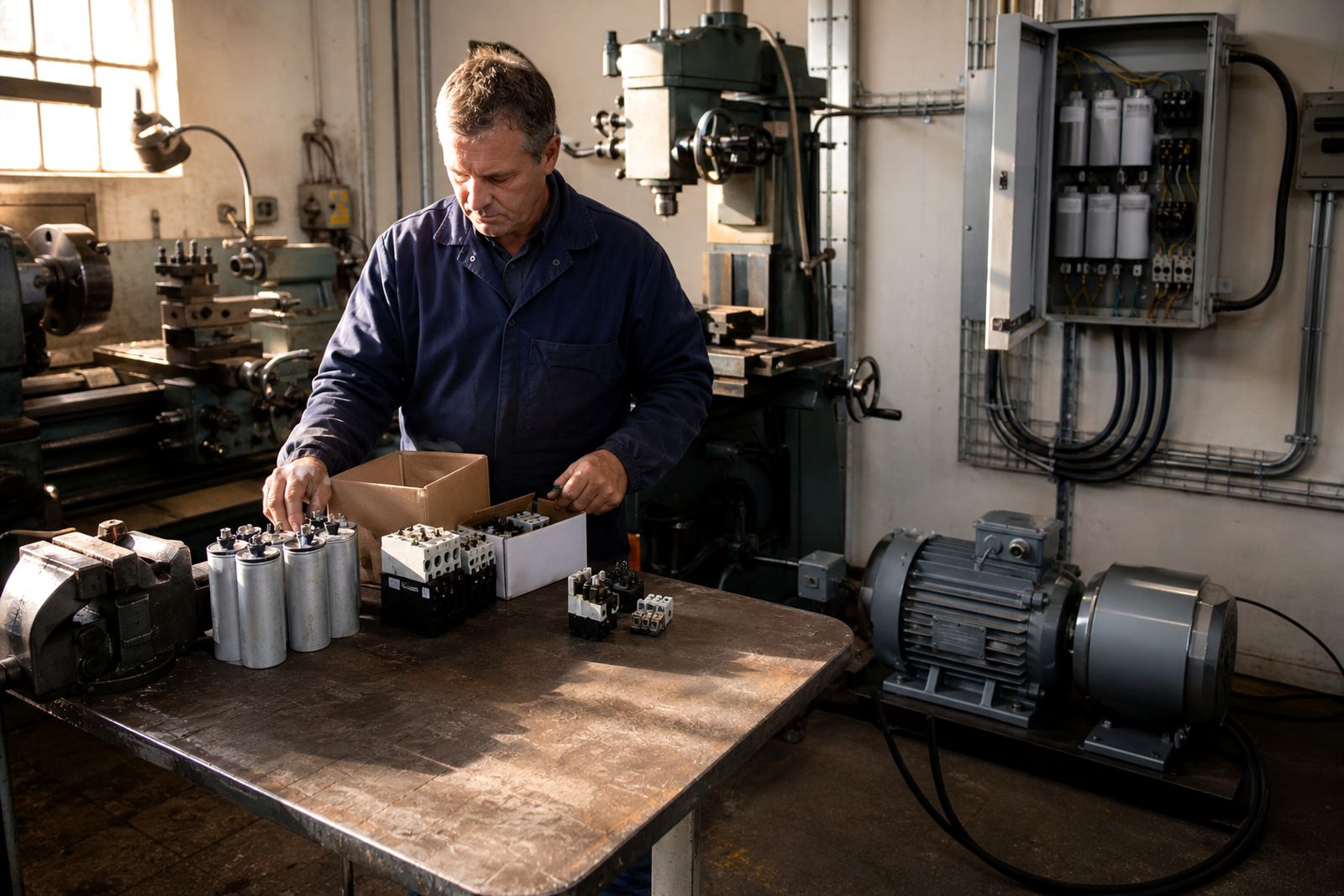
Service kit
Service kits with the capacitors, contactors and overload parts a converter needs at routine maintenance.
Read more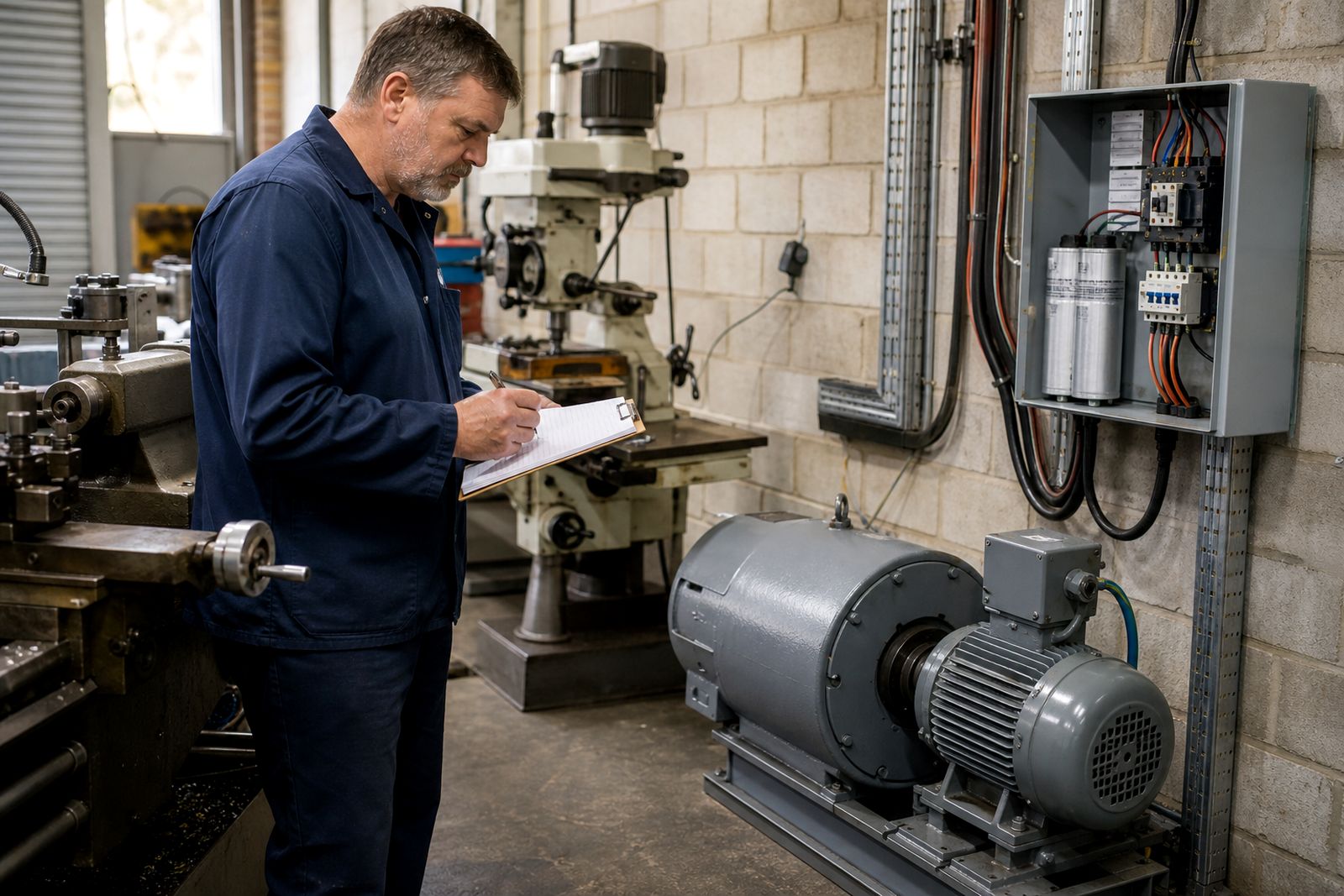
Soft start guide
Soft starting for converter-fed machines that trip on inrush, with breaker size and start behaviour recorded first.
Read moreWhat our Phase Converter customers say
Verified Google reviews
Tell us about your machine
Send a note through our contact form with the machine type, the motor plate kW and voltage, your supply (single-phase breaker size), the cable run and your area, and we will come back with practical converter options and a quote.
Open the contact form