

Workshop enquiries
Motor plate details, supply figures and site access to gather before asking about a phase converter.
How converter questions begin
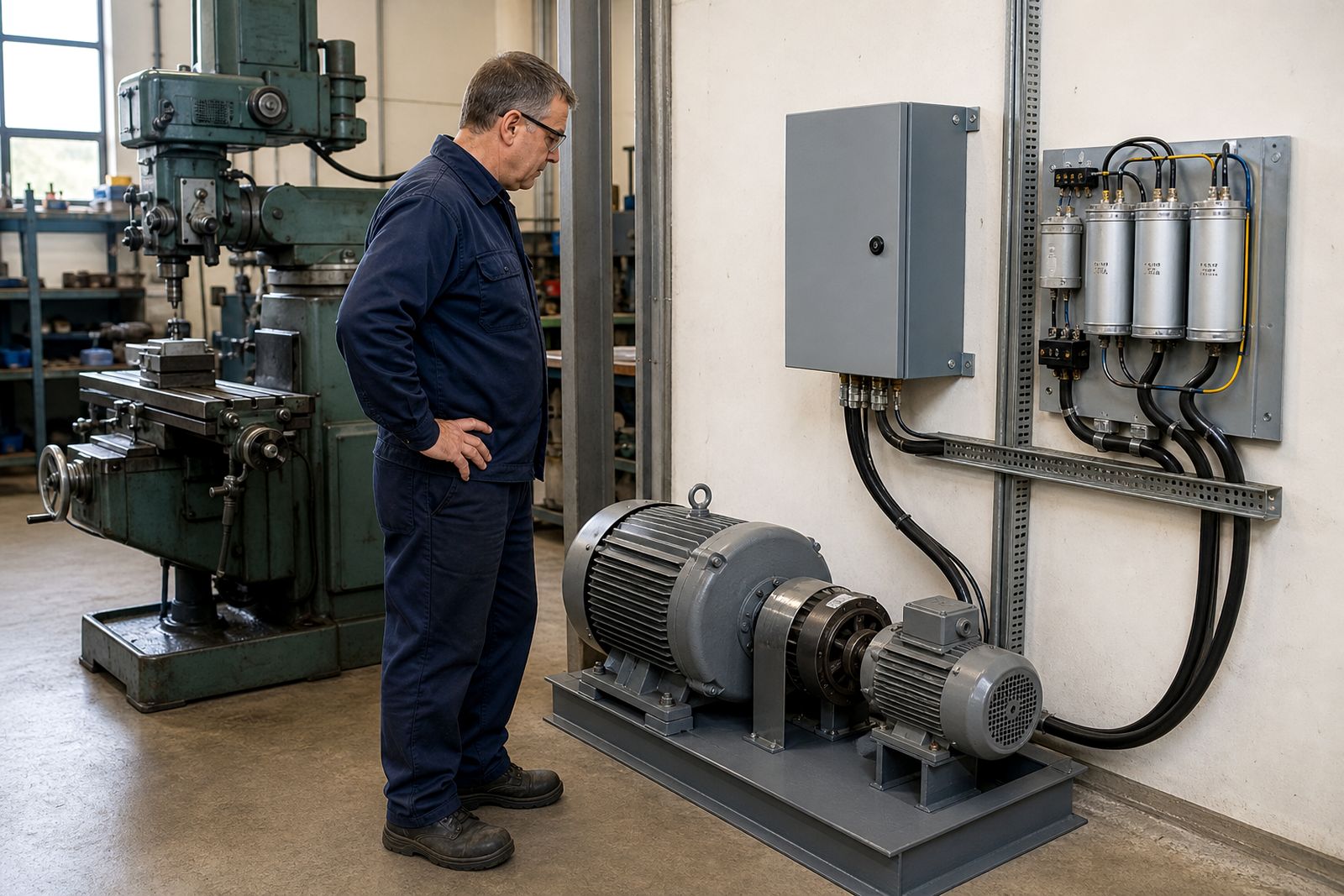
When asking about a phase converter, it helps to start with the motor plate details, machine type and available supply on site. Key information should be ready before options are discussed.
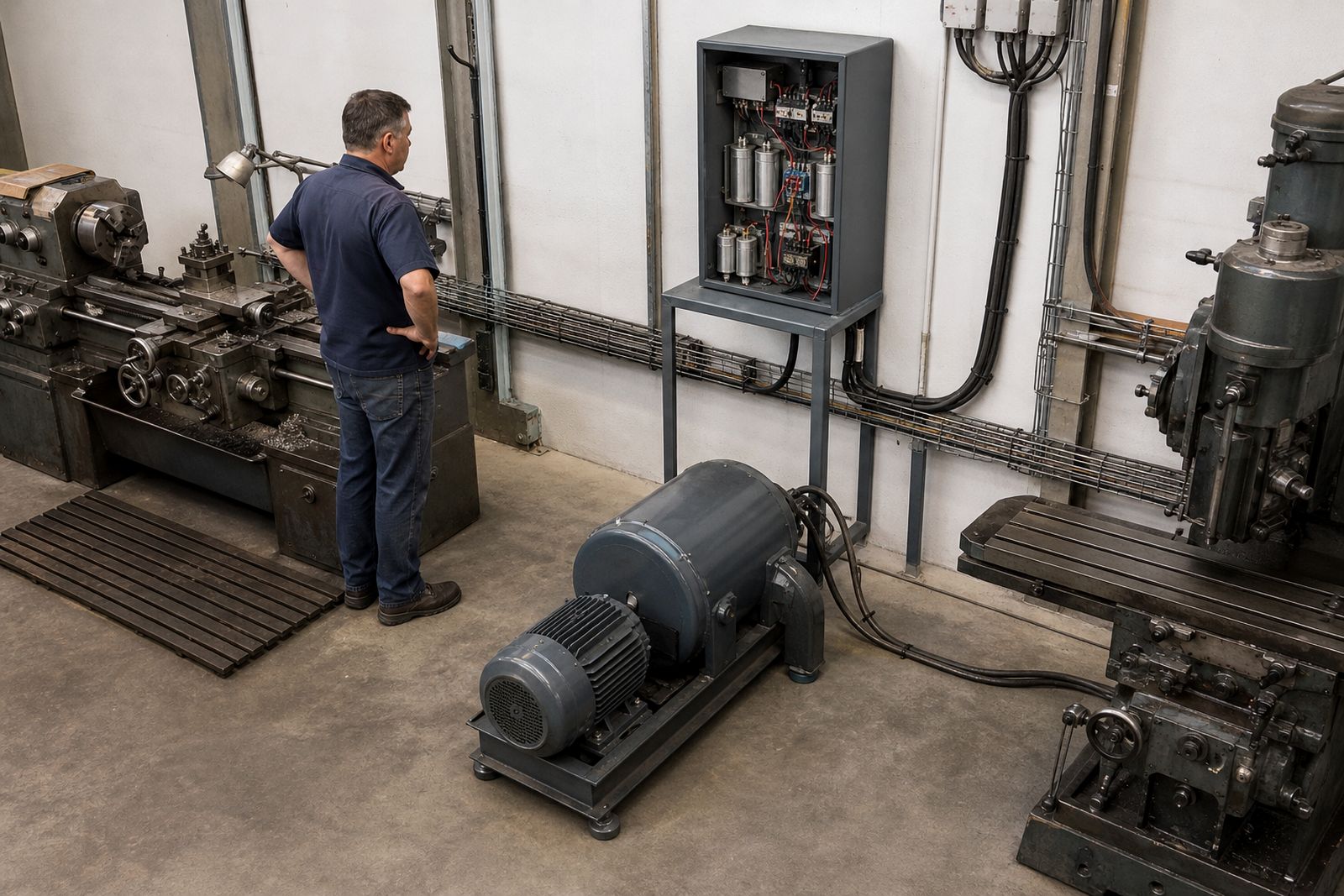
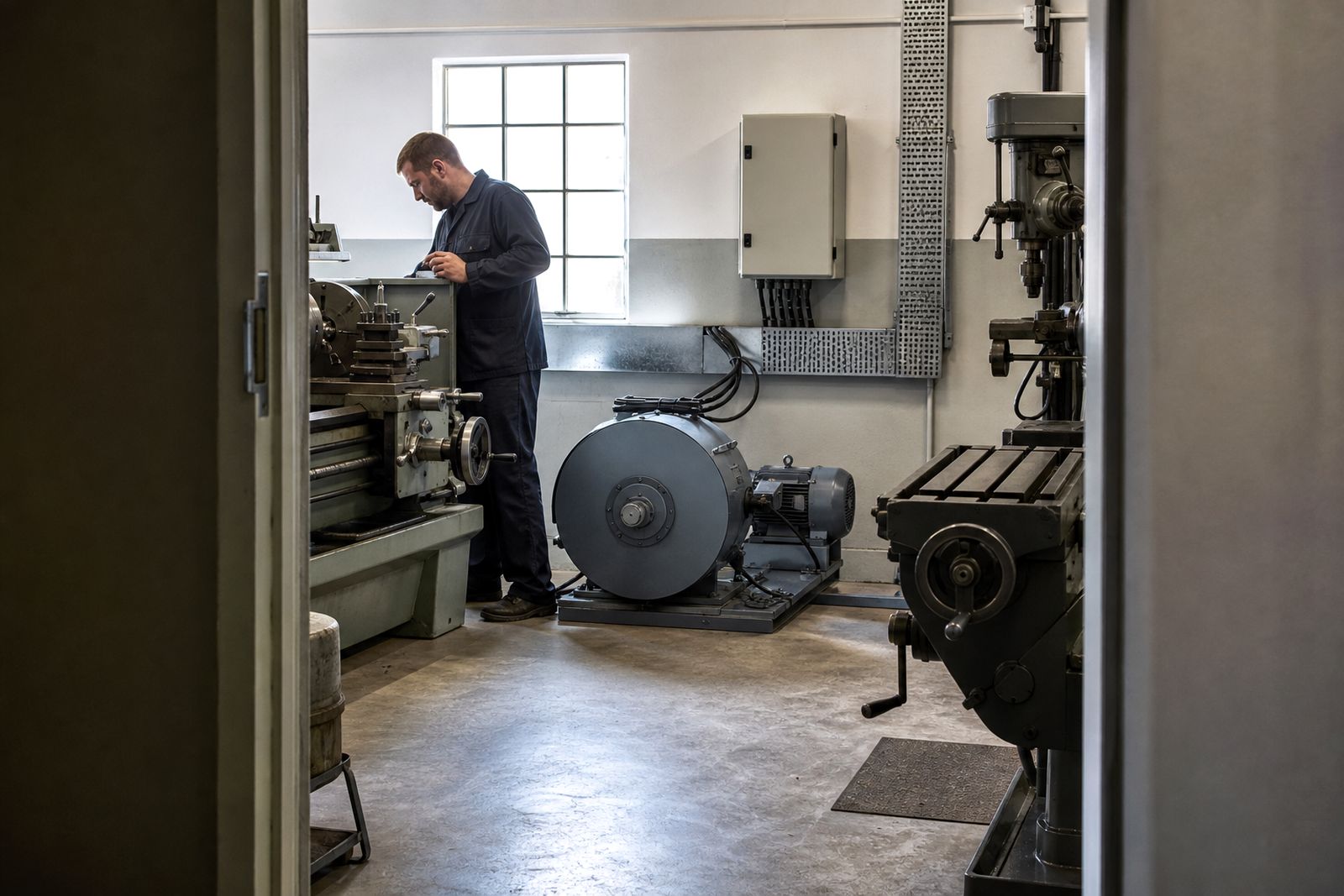
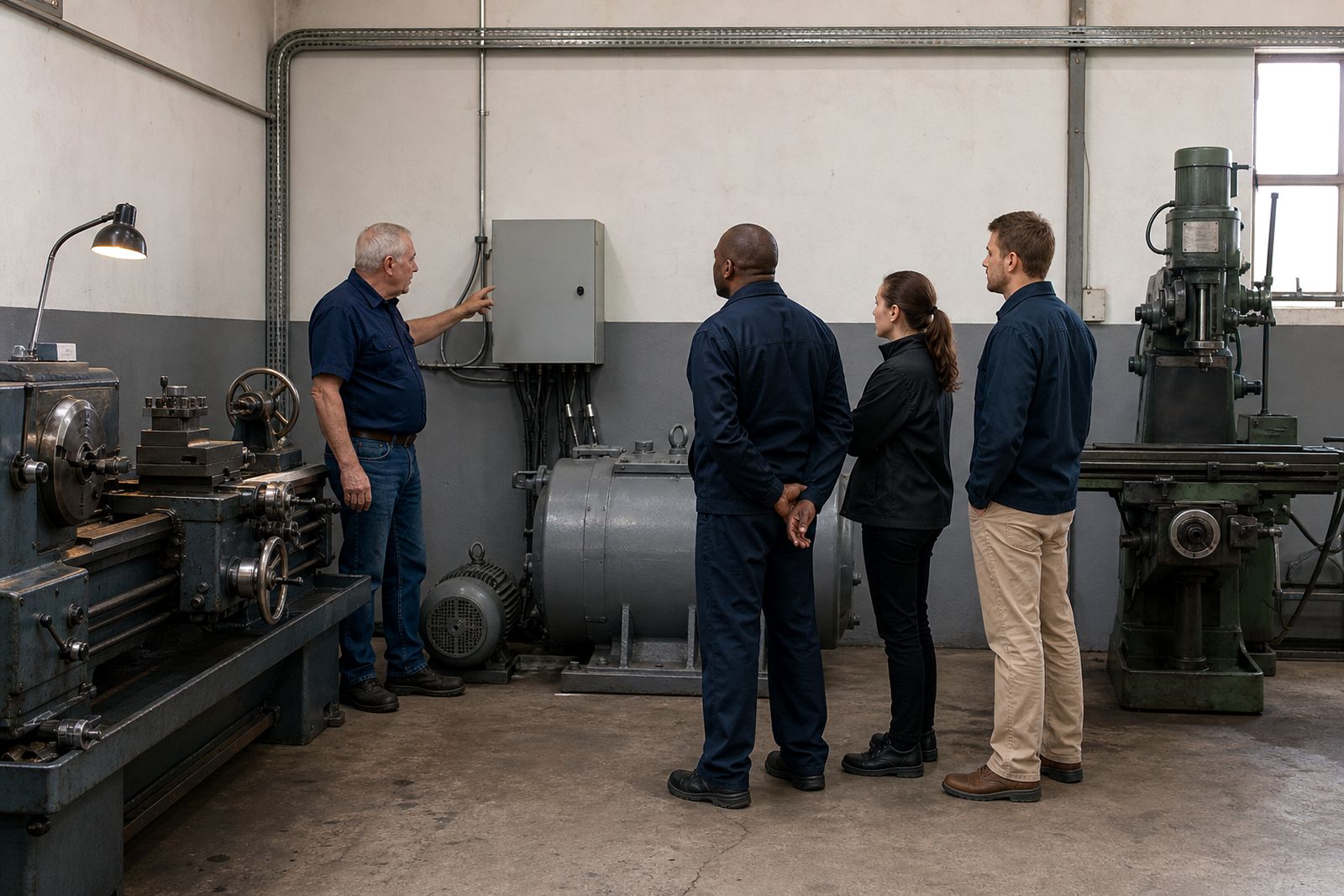
Access to the installation area, the workshop layout and any space constraints influence where the converter panel and cables can be positioned.
Site access for delivery vehicles and the location of electrical distribution boards may impact installation planning and timing.
First details to collect
Electrical supply stability, recent upgrades or changes to distribution boards, and the presence of other heavy machinery should be checked before selecting a converter panel or idler motor arrangement.
Enquiries move faster with:
- Existing control gear, such as contactors or soft starters
- The feeder cable length and any bends or obstacles on the route
- Any faults and trip history
Supply factors that affect planning
Long runs from the main board, or shared supply with welders, compressors or extraction fans, can change starting current, voltage drop and the best position for the converter panel.
Dust produced by cutting, sanding or grinding equipment may collect around vents and contact sets, so allow for maintenance access and consider where to place the panel in relation to these machines.
Before discussing the job
Current protection devices, such as fuses or circuit breakers in use, help ensure the phase converter setup is compatible with your workshop's safety requirements.
Special requirements, such as remote start, integration with existing control systems, or limited installation time windows, should be mentioned up front.
What media can ask about
Media enquiries can cover the practical side of phase conversion for South African workshops, farms and small plants that run three-phase machines from a single-phase supply. Common topics include rotary phase converters, static converter kits, idler packs, panel mounts, soft start controls, enclosures, cable sets and spares.
We can also explain the typical information needed before a recommendation is discussed, such as motor plate details, machine type, site supply figures and access to the installation area. For background on the equipment range, see converters and installs.
Questions about workshop layouts, cable runs, distribution boards, current protection and remote checks are also relevant. If you are covering machine use in dusty inland sites or humid coastal areas, we can talk through the installation considerations that often come up without making claims about results.
What the process usually involves
For an enquiry, the key point is that the customer's own registered electrician installs the converter. Phase Converters supplies written commissioning guidance, remote checks and warranty help, so media can ask how support is handled after the unit is supplied.
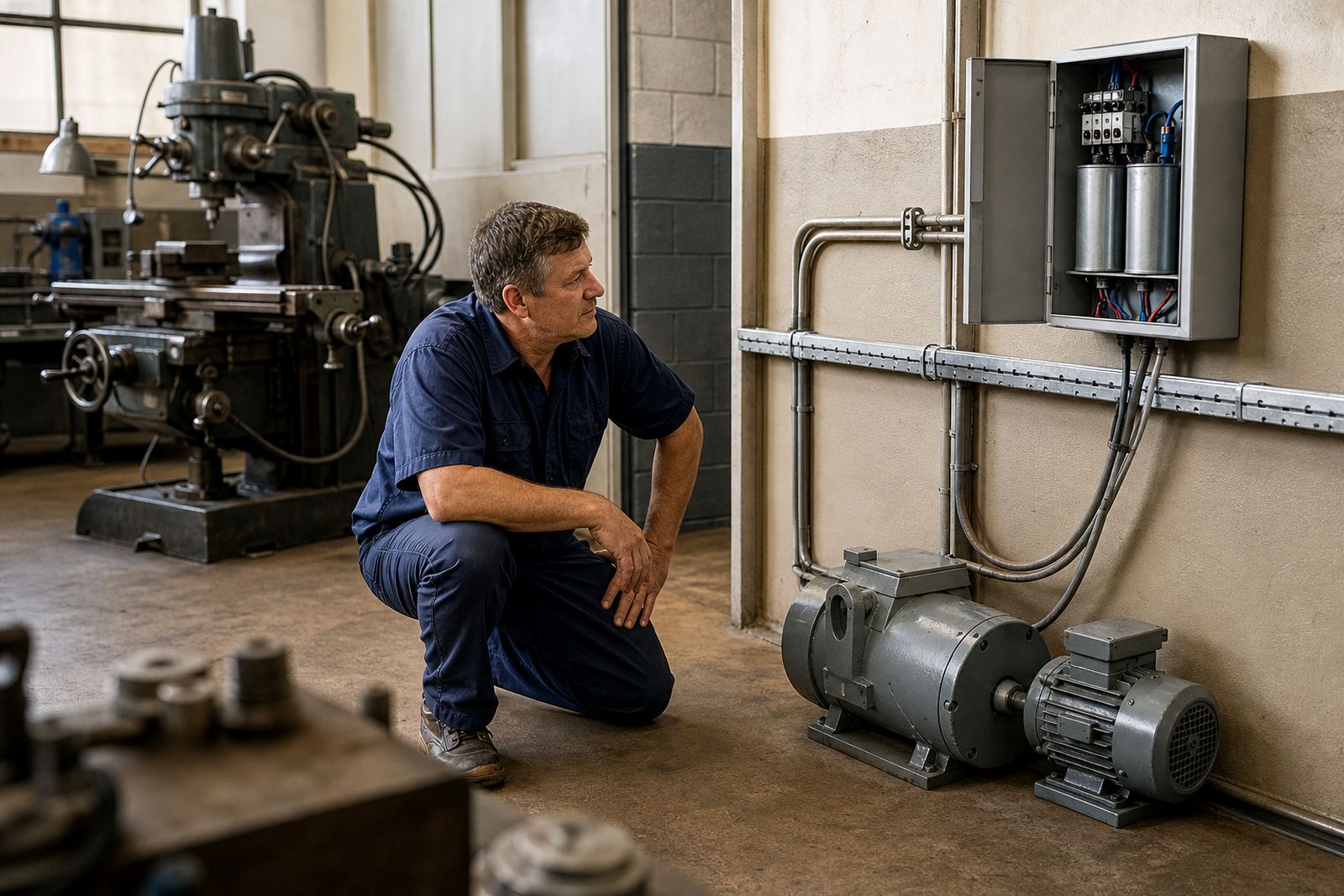
Useful interview angles include how rotary units, static kits and soft start controls are matched to machines such as lathes, milling machines, CNC routers, compressors, saws, drill presses and pumps. The conversation can also include panel placement, cable termination, enclosure choice and space around the machine area.
We do not publish prices or stock levels here. If you need a quote for a project or a case study, please use the contact form and include the motor details, supply figures and any site notes.
How to reach us
Media teams can arrange sample viewings by appointment and use the contact form to send questions, location details and any motor plate information that may help us respond. If your enquiry is about a specific machine set-up, include the workshop or farm context and the supply available on site.
For general company information, the about section is the best starting point. For direct contact, please use the contact form.
Also worth a look
Tell us about your machine
Send a note through our contact form with the machine type, the motor plate kW and voltage, your supply (single-phase breaker size), the cable run and your area, and we will come back with practical converter options and a quote.
Open the contact form