

Trade viewing appointments
Appointment viewings of the converter range for trade partners and journalists, arranged through head office before writing about or placing converters.
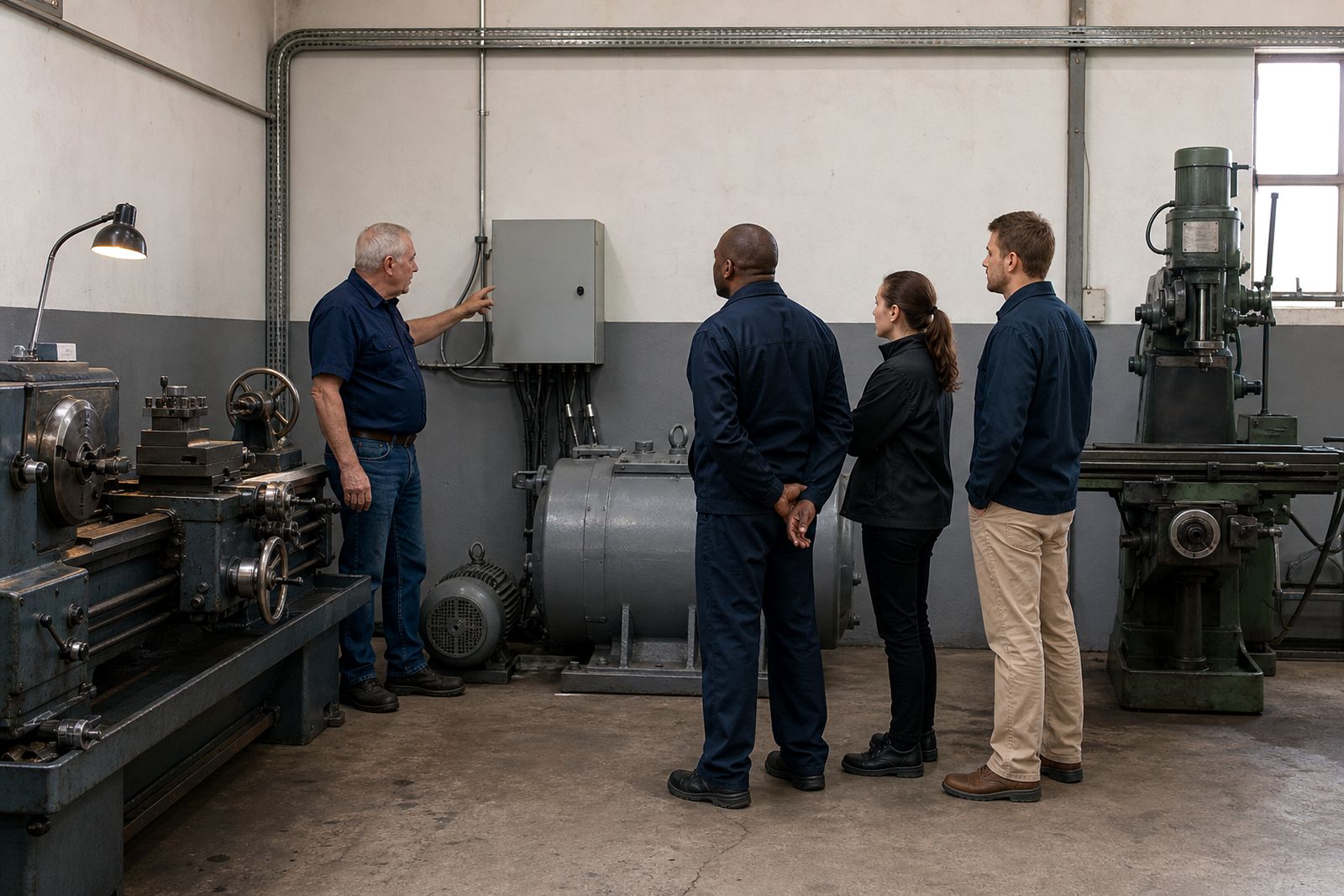
Seeing the equipment first
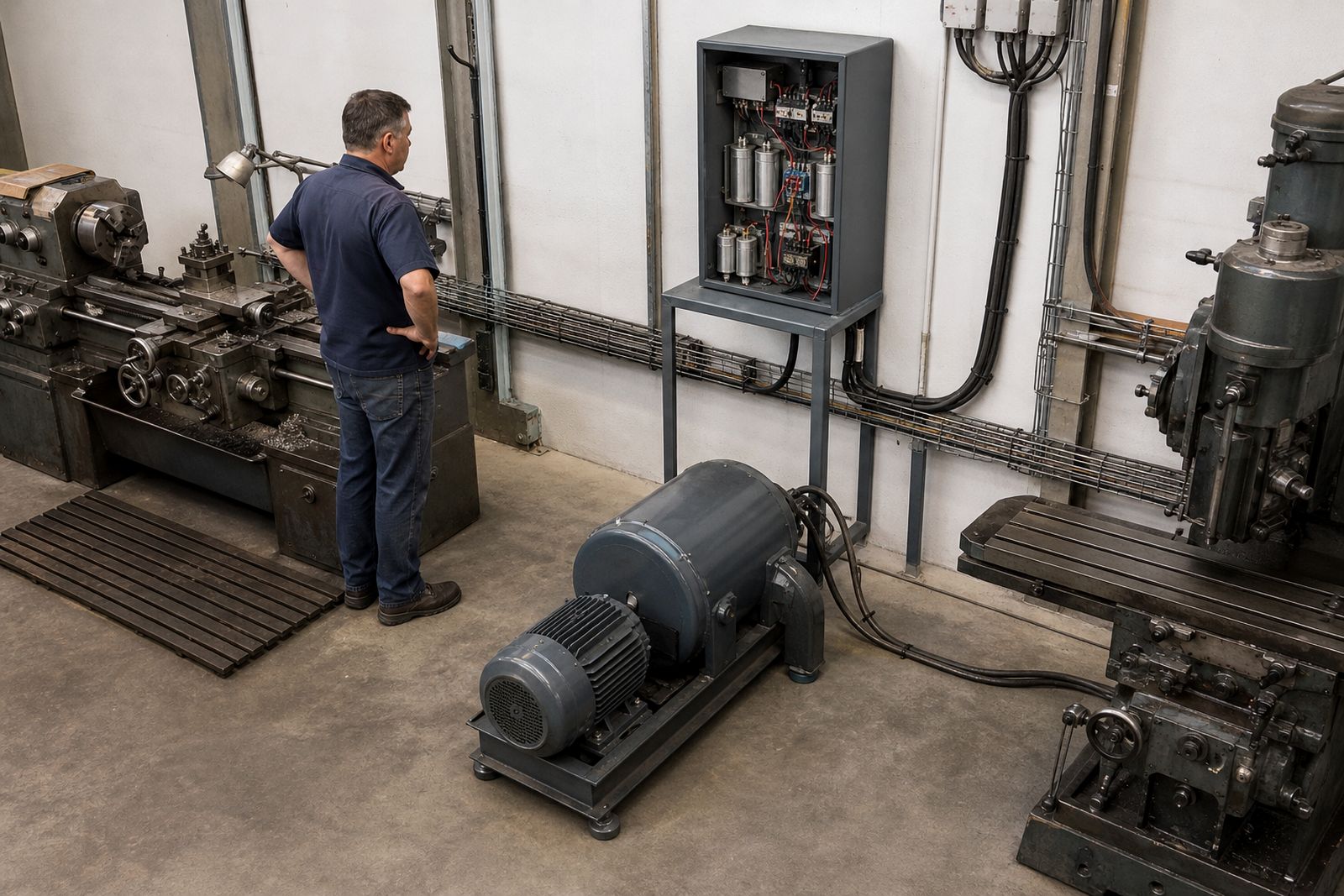
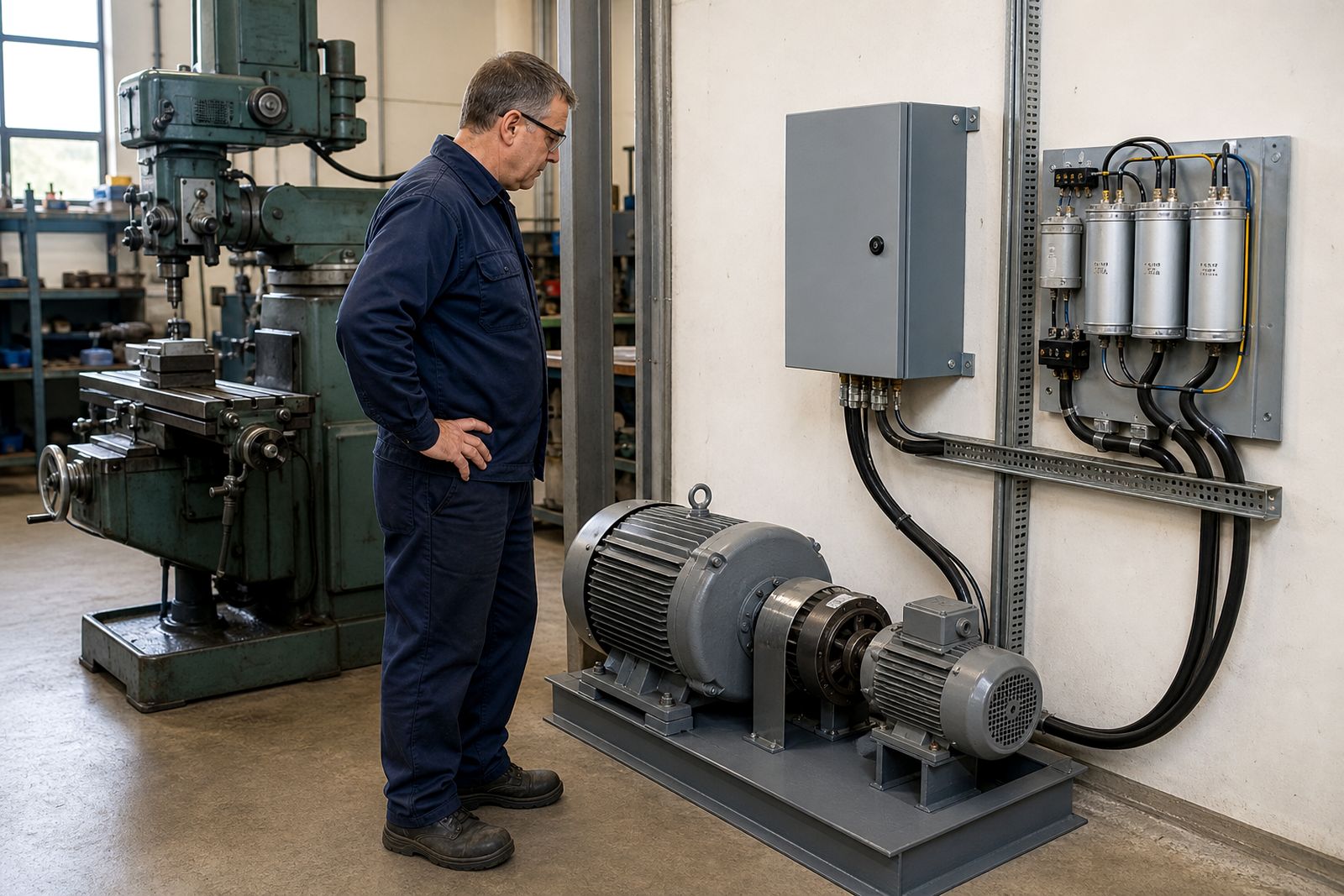
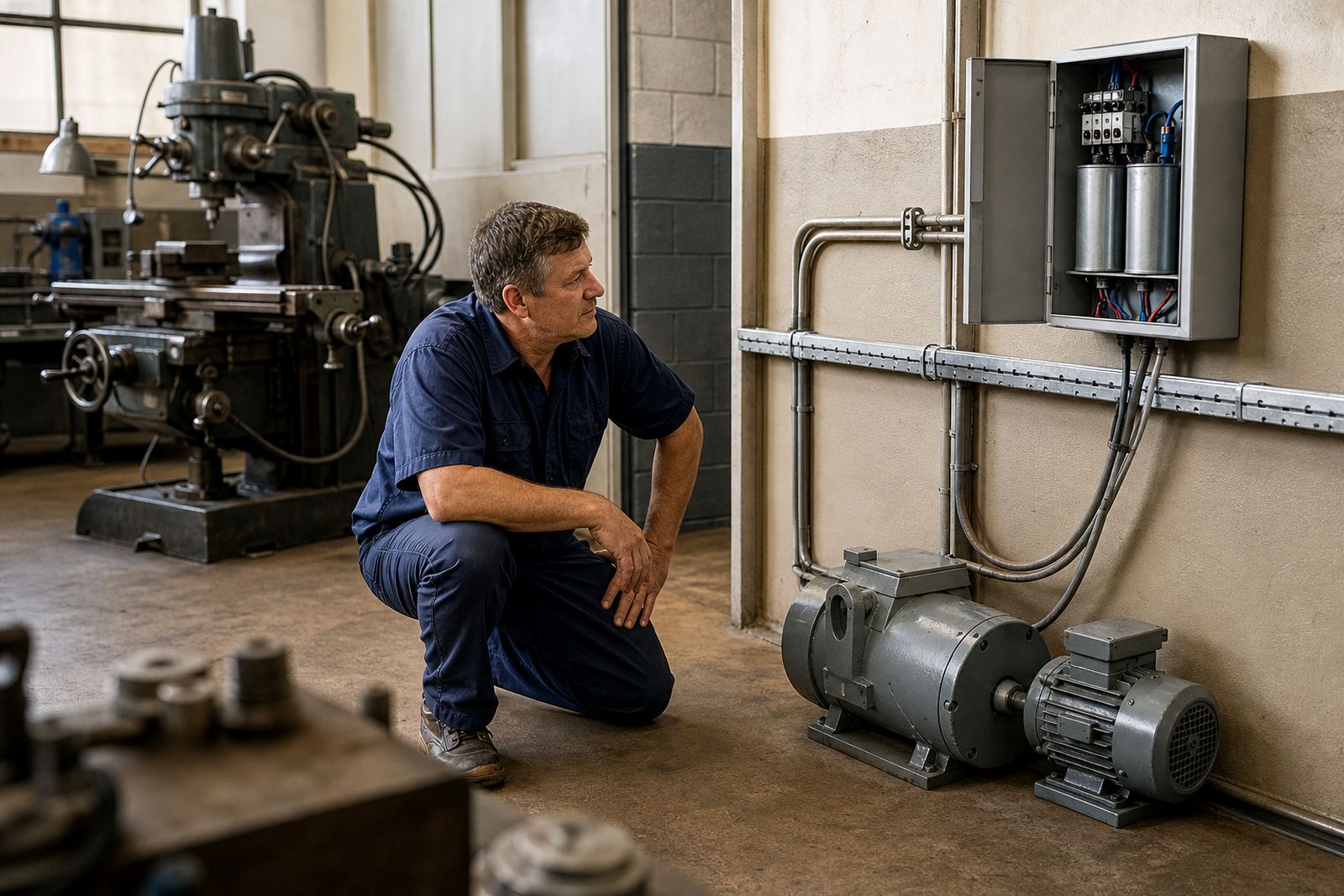
Converters are easier to understand once you have seen one opened up: the capacitors, the contactors, the idler motor on a rotary unit and the terminals where the generated leg comes out. Resellers placing converters with their own customers can use a short look at the hardware to answer those customers' questions.
Journalists covering small manufacturing or farm workshops can use a viewing the same way, to understand why a machine built for three-phase power cannot simply be plugged into a single-phase socket.
Setting up a trade or press viewing
Arrange it with head office first, saying whether you are a trade partner or writing for a publication, which city suits you and what you want to understand. Some press questions can be answered without travelling, and head office will say so when that applies.
Viewing requests should give:
- Your business or publication name
- The topic, article or customer type you have in mind
- Preferred city and the dates you could make
Confirming technical points and quotes
If you need technical details for an article, confirm them in writing after the viewing to ensure that figures and model names are accurate.
What trade and press can ask about
Trade partners and journalists can ask for a clear, practical look at the converter range and the questions that come with it. Common topics include how a rotary phase converter differs from a static kit, what the idler motor does, where the generated leg is taken out, and how enclosures, cable sets and terminations are used in a workshop or plant setting.
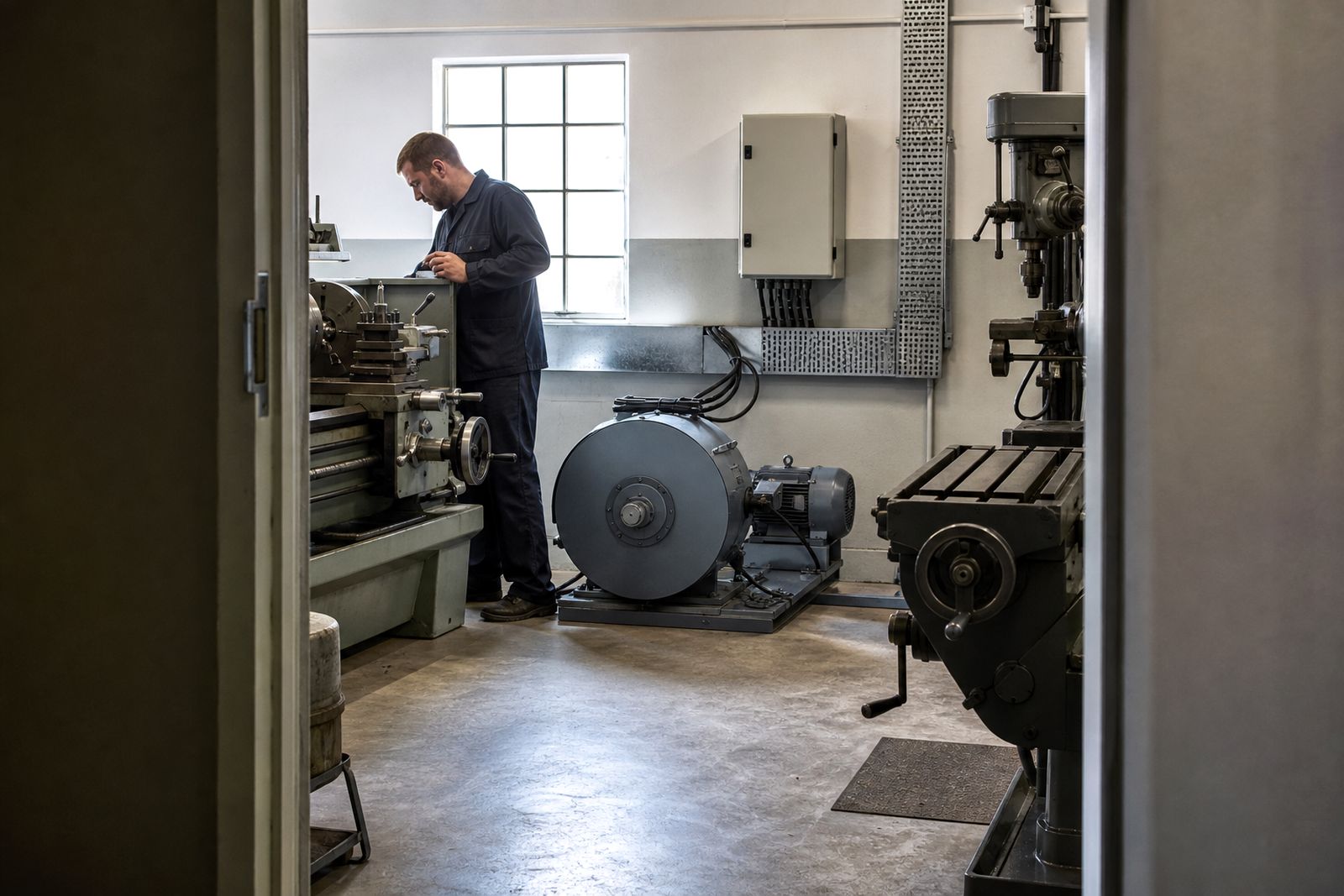
Media teams often want to understand the installation route as well. That can include the role of the customer’s own registered electrician, written commissioning guidance, remote checks and warranty help after the unit has been fitted. The same viewing can also help explain what kinds of machines are commonly powered from single-phase supply, such as lathes, milling machines, CNC routers, compressors, saws, drill presses and pumps.
What a viewing can cover
A guided look can include the converter hardware itself, plus the supporting parts that are often discussed in trade enquiries. Depending on what you want to cover, the discussion may include:
- rotary units and idler packs
- static converter kits and panel mounts
- soft start controls
- enclosures, cable sets and spares
- motor nameplates, breakers and distribution boards
For workshops, farms and small plants, the key point is usually matching the converter approach to the machines already in use and the single-phase supply available on site. If you are writing for readers who need a practical overview, head office can help direct the discussion to the most relevant parts of the range.
How to arrange a viewing
Use the contact form to start the request. Please say whether you are a trade partner or a journalist, which city suits you, and what you want to understand. Viewings are arranged through head office before any visit, and sample viewings are available by appointment at Clearwater, Cresta, Pavilion, Tyger Valley, Gqeberha, Mimosa and Riverside.
Head office at 2 Makro Place, Sunnyrock, Germiston handles these requests and can also advise when a question can be answered remotely. If you are preparing copy or checking technical wording, it helps to send your topic, the kind of machine or site you are covering, and any specific details you want confirmed in writing after the visit.
Also worth a look
Tell us about your machine
Send a note through our contact form with the machine type, the motor plate kW and voltage, your supply (single-phase breaker size), the cable run and your area, and we will come back with practical converter options and a quote.
Open the contact form