Safe running note
A press note on the start, load and shutdown habits that keep converter-fed machines running safely on single-phase supply.
Safe running habits that matter
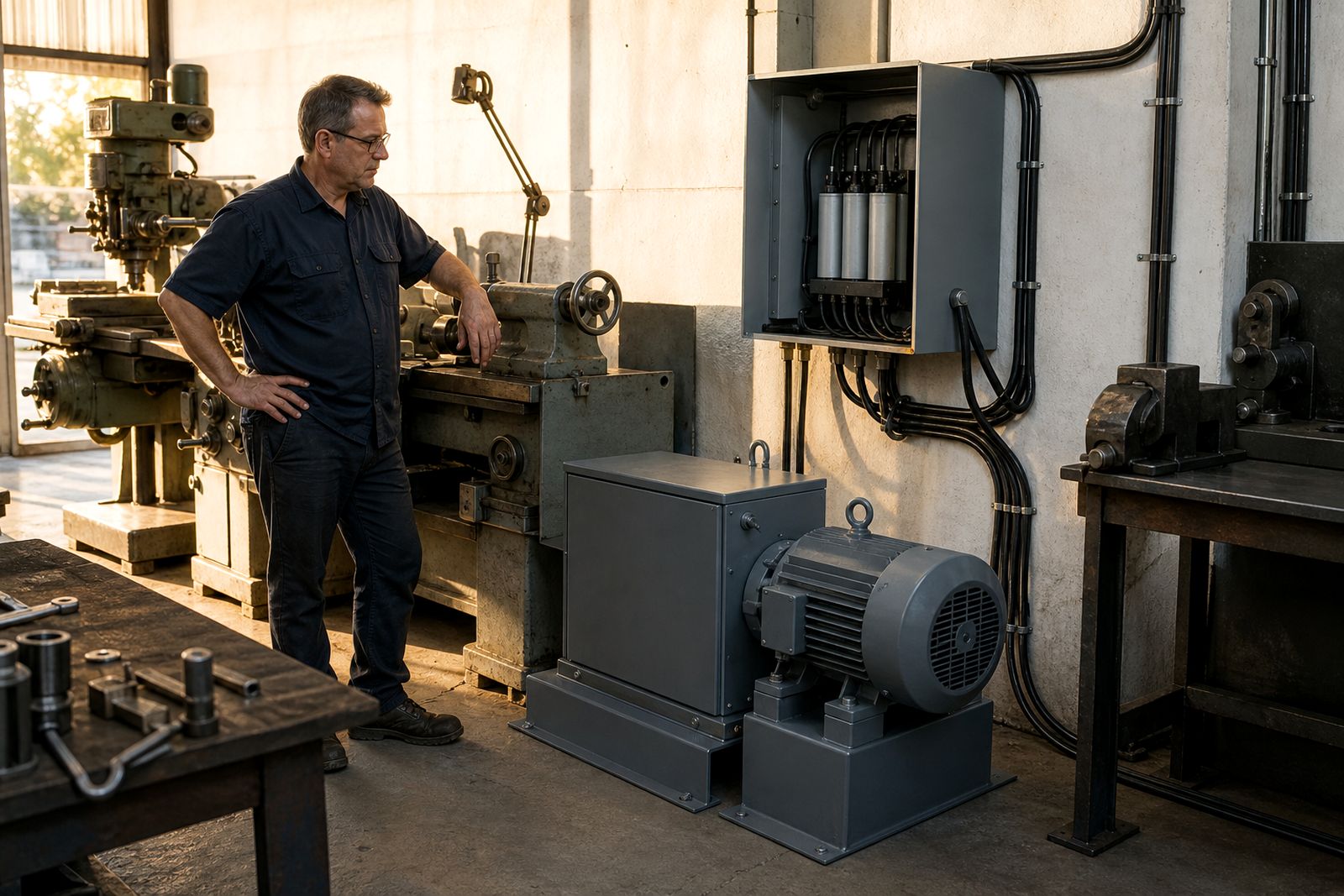
Faults blamed on a converter can come down to the way a machine is started, loaded or stopped rather than to the converter itself. Operators who follow a fixed start and stop sequence, and who know what normal running sounds like, catch problems early.
Previous tripping, the starter type and the breaker size are worth having on record before a new machine is added to an existing converter.
Records that help later
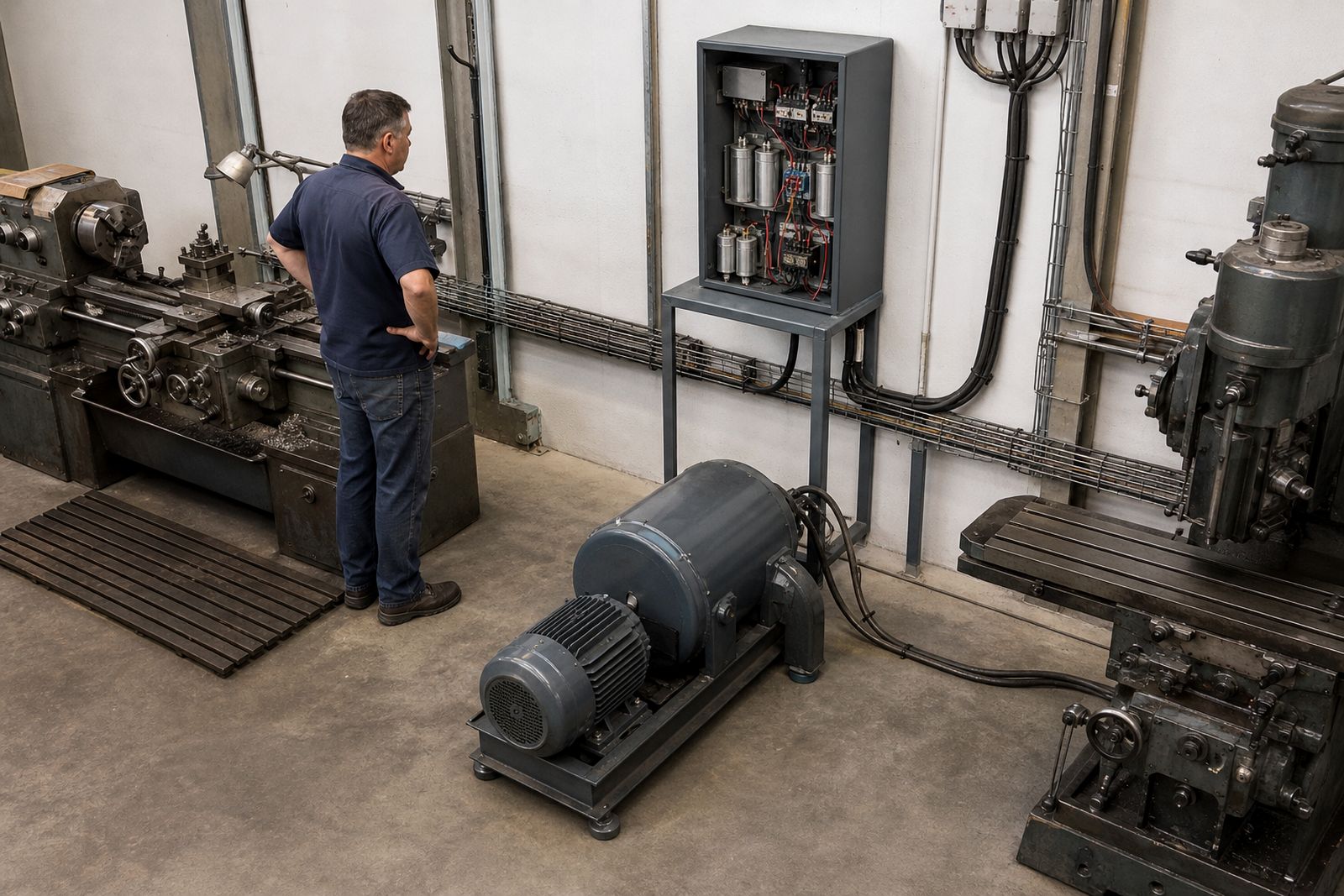
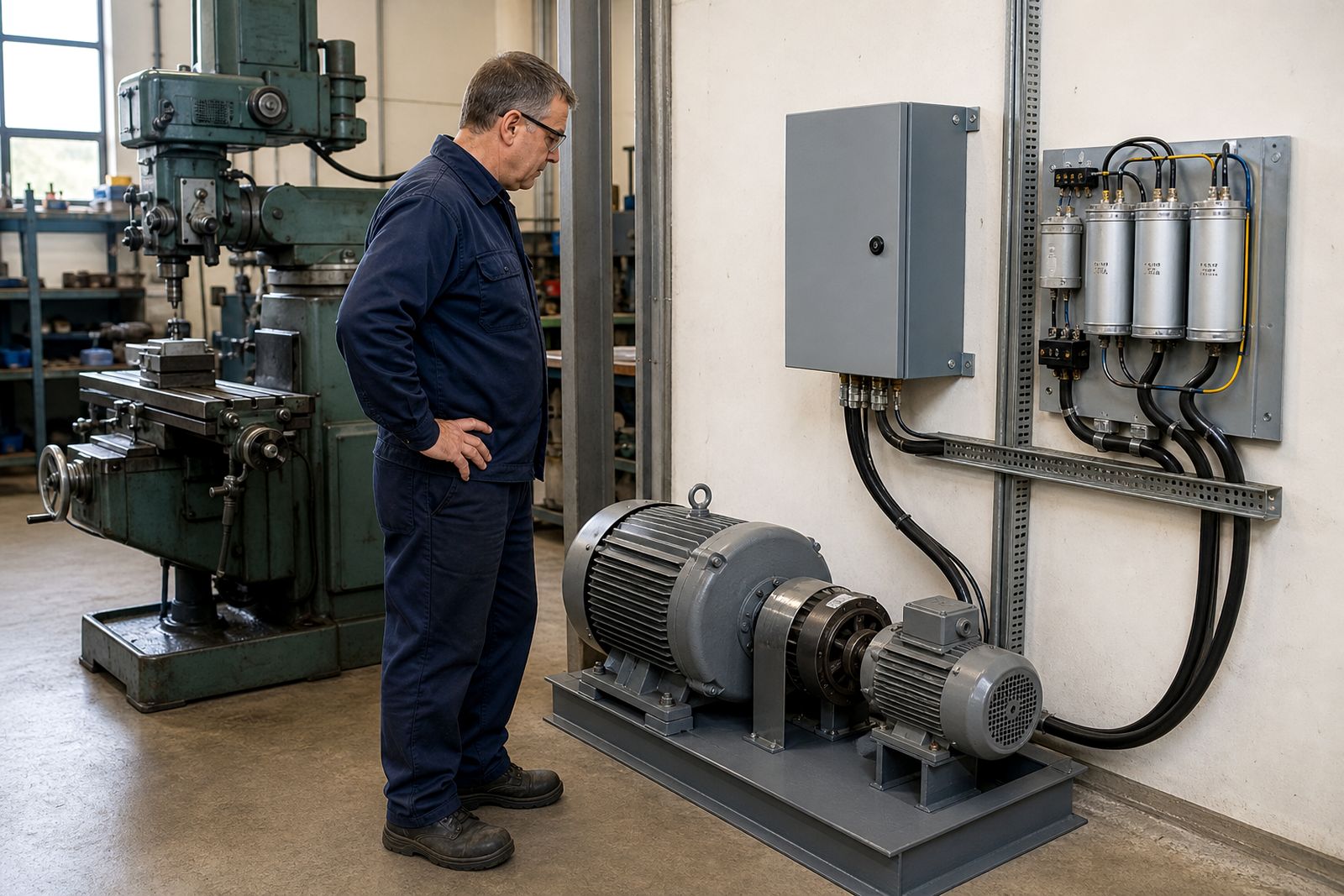
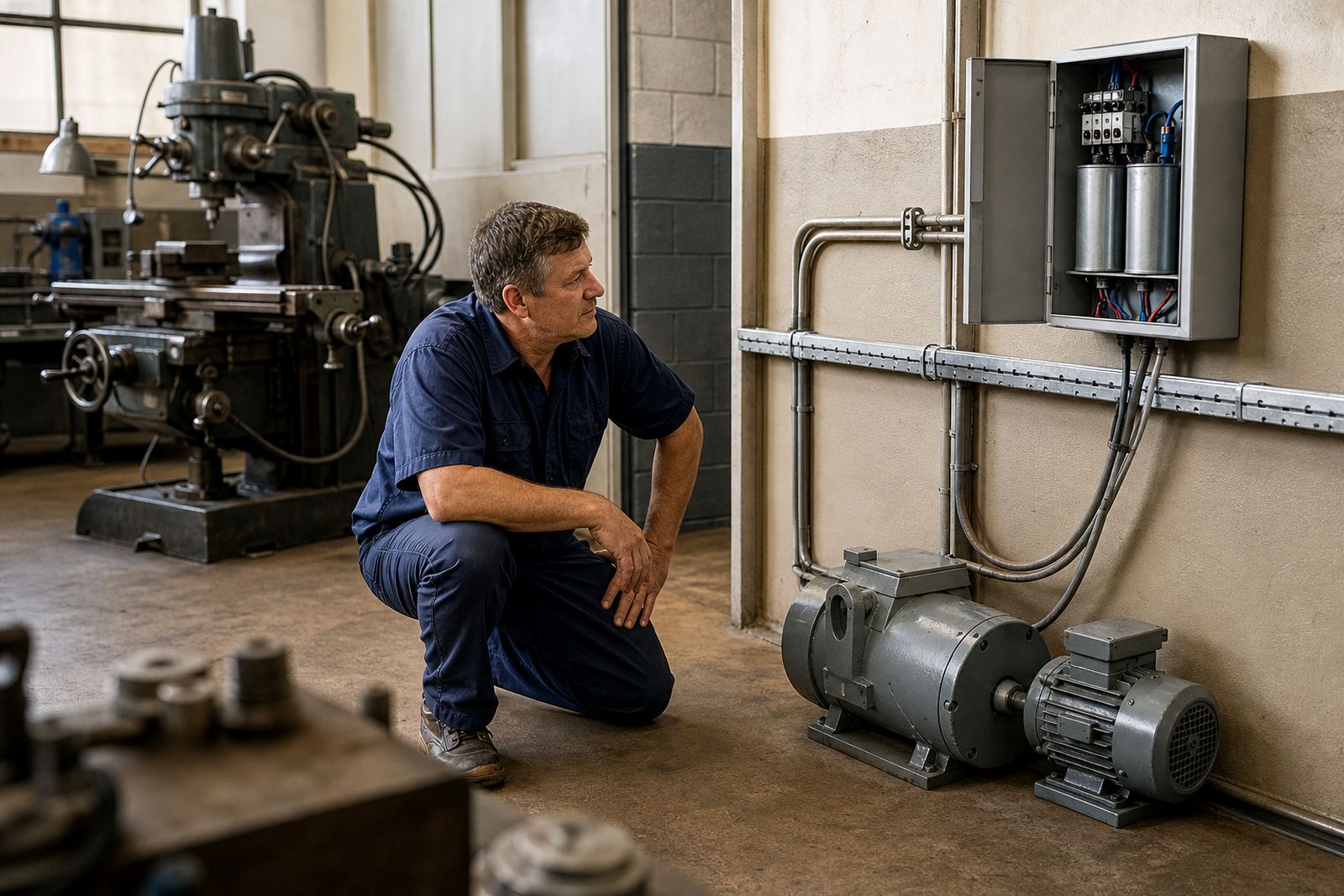
Records of the DB board, isolator, converter position and route to the machine should be made before any switching starts, together with the wiring connections. Accurate records make overload trips, poor starts or swapped motor leads much quicker to resolve.
Special tooling, dust extraction or compressor loads that may run at the same time belong on the list, as do past faults and the motor kilowatt rating. Where a cable set is already installed, its length in metres and the way terminations and glands are fitted should be noted.
Three rules come up again and again:
- Follow the same start and stop sequence every time.
- Review the load before heavy cutting work.
- Check earth connections for continuity and secure termination.
Different workshop setups
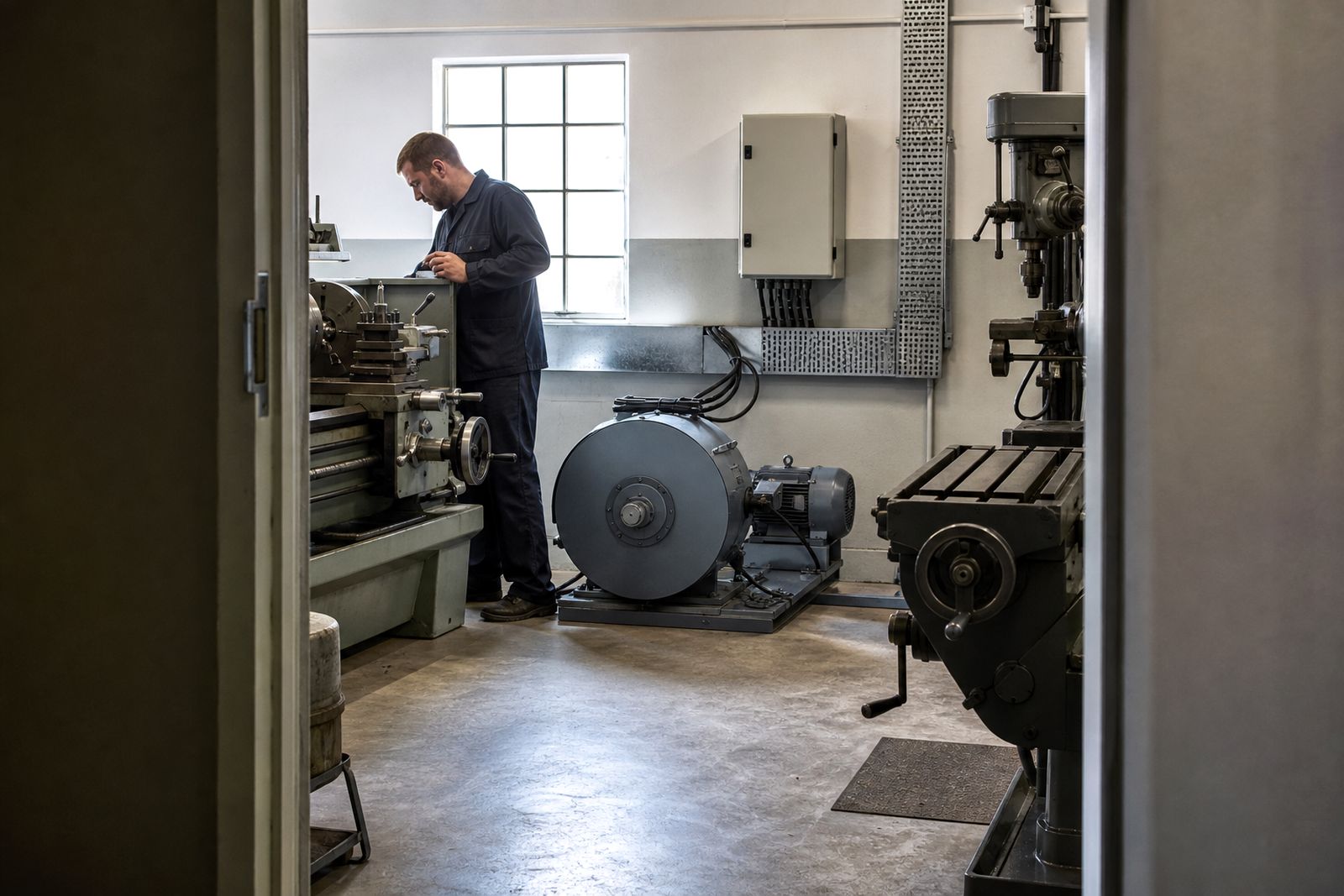
Fixed machines need notes on what stays energised, what trips first and which operator habits need correcting. Clean vents, contactors and fan covers improve motor cooling, and attention to terminals and enclosure sealing prevents many faults.
What media can ask about
Media enquiries can focus on the practical side of running three-phase machines from a single-phase supply in South African workshops, farms and small plants. The main topics are safe starting, loading and shutdown habits, along with the converter types used for different machines.
Useful angles include:
- rotary and static phase converters for lathes, milling machines, CNC routers, compressors, saws, drill presses and pumps
- idler motors, soft start controls, capacitor panels, enclosures and cable sets
- motor nameplates, breakers, distribution boards and what should be checked before switching on
- the effect of coastal humidity and Highveld dust on terminals, vents and cooling
We can also explain the kind of written commissioning guidance, remote checks and warranty help supplied after installation support is arranged.
What the notes cover
The notes on safe running focus on common causes of nuisance trips and poor starts that are often linked to operating practice rather than the converter itself. They also cover how to keep a clear record of the starter type, breaker size, wiring route and isolator position before new equipment is added.
Media can ask about:
- start and stop routines that should stay consistent
- load checks before heavy cutting or repeated starts
- earth continuity and secure terminations
- what to record when a cable set, enclosure or panel mount is already in use
- why cleaning vents, contactors and fan covers matters for cooling
For broader background on the equipment itself, see converters and installs.
How to reach us
Please use the contact form if you need comment, a product note or a quote request. We can help direct enquiries about rotary units, static kits, spares and installation support to the right place.
Where a machine is being added to an existing setup, the customer’s own registered electrician installs the converter. That keeps the electrical work aligned to the site’s own requirements and local practice.
Also worth a look
Tell us about your machine
Send a note through our contact form with the machine type, the motor plate kW and voltage, your supply (single-phase breaker size), the cable run and your area, and we will come back with practical converter options and a quote.
Open the contact form