

Centurion workshops
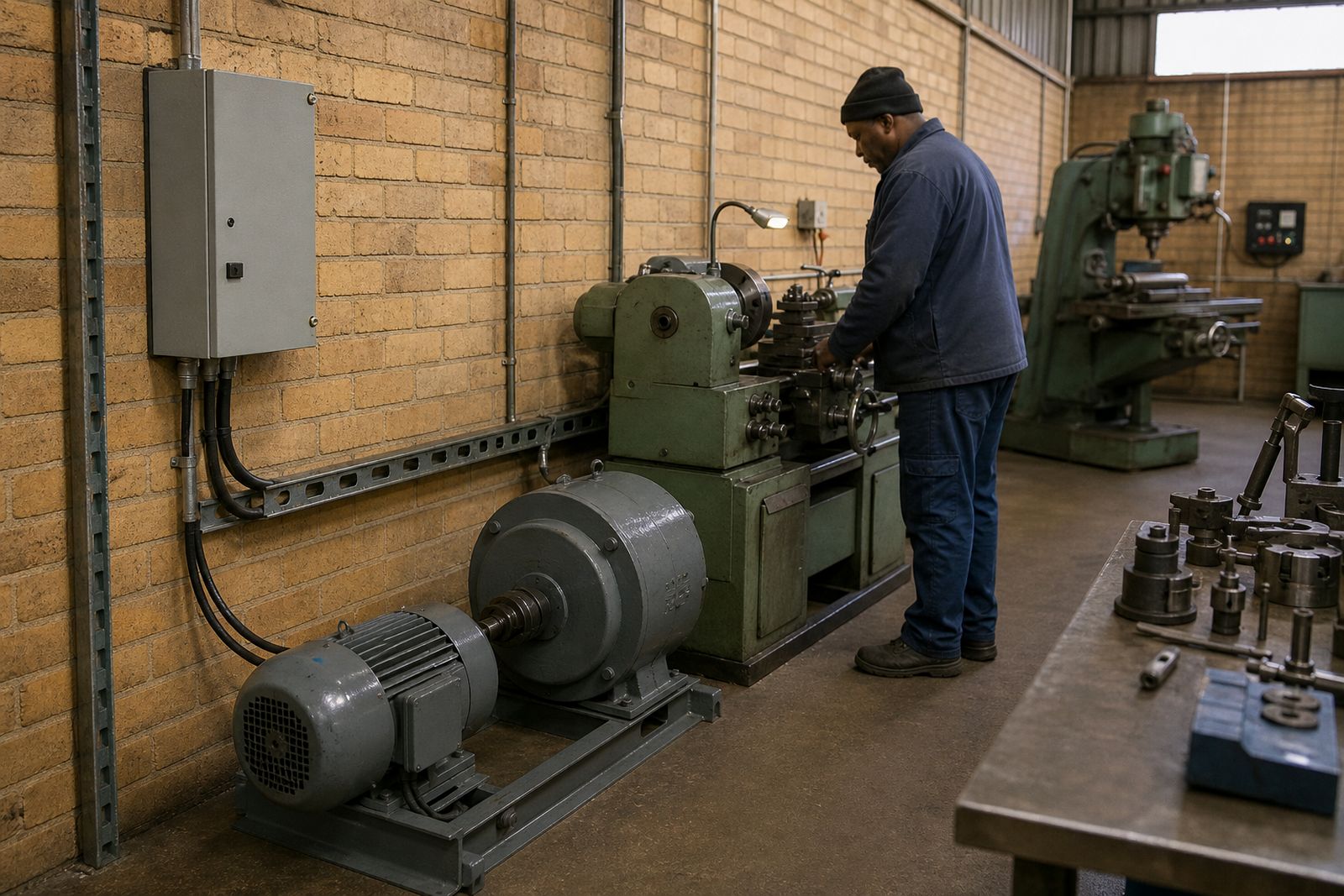
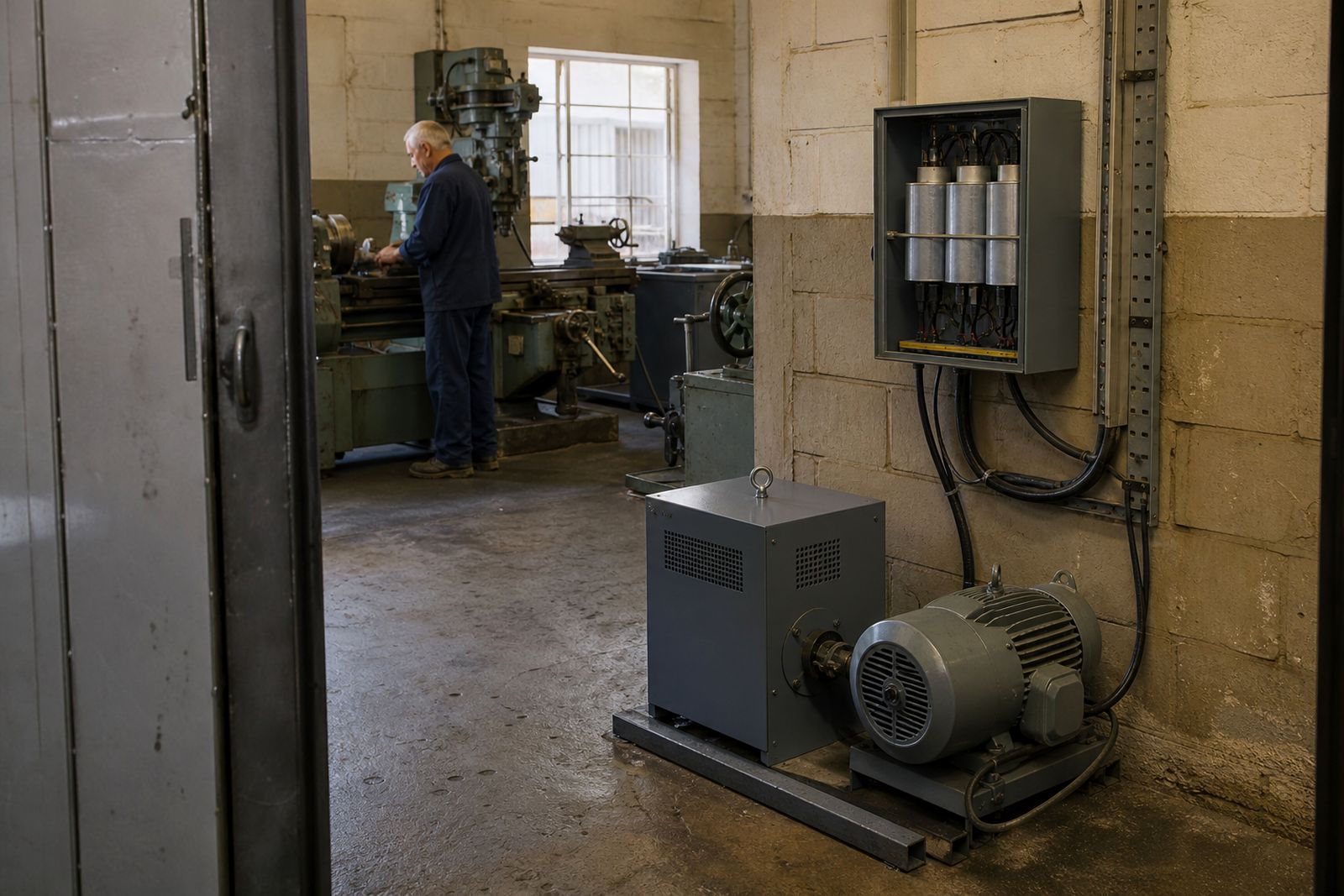
Centurion technical rooms and workshops running test rigs, extraction and tools from single-phase supply.
Power requirements in Centurion
Actual load and machine starting requirements always determine the right converter size for Centurion technical rooms and workshops. Sizing should be based on the equipment in use rather than general estimates.
Machine run frequency, available single-phase feed, and motor plate ratings all play a role in selecting a suitable phase conversion kit in Centurion. Bench-mounted test rigs, extraction fans, process machines, and workshop tools each place different demands on a converter. Distance from the DB to the machine, breaker sizes, and voltage drop during start-up also affect installation and performance.
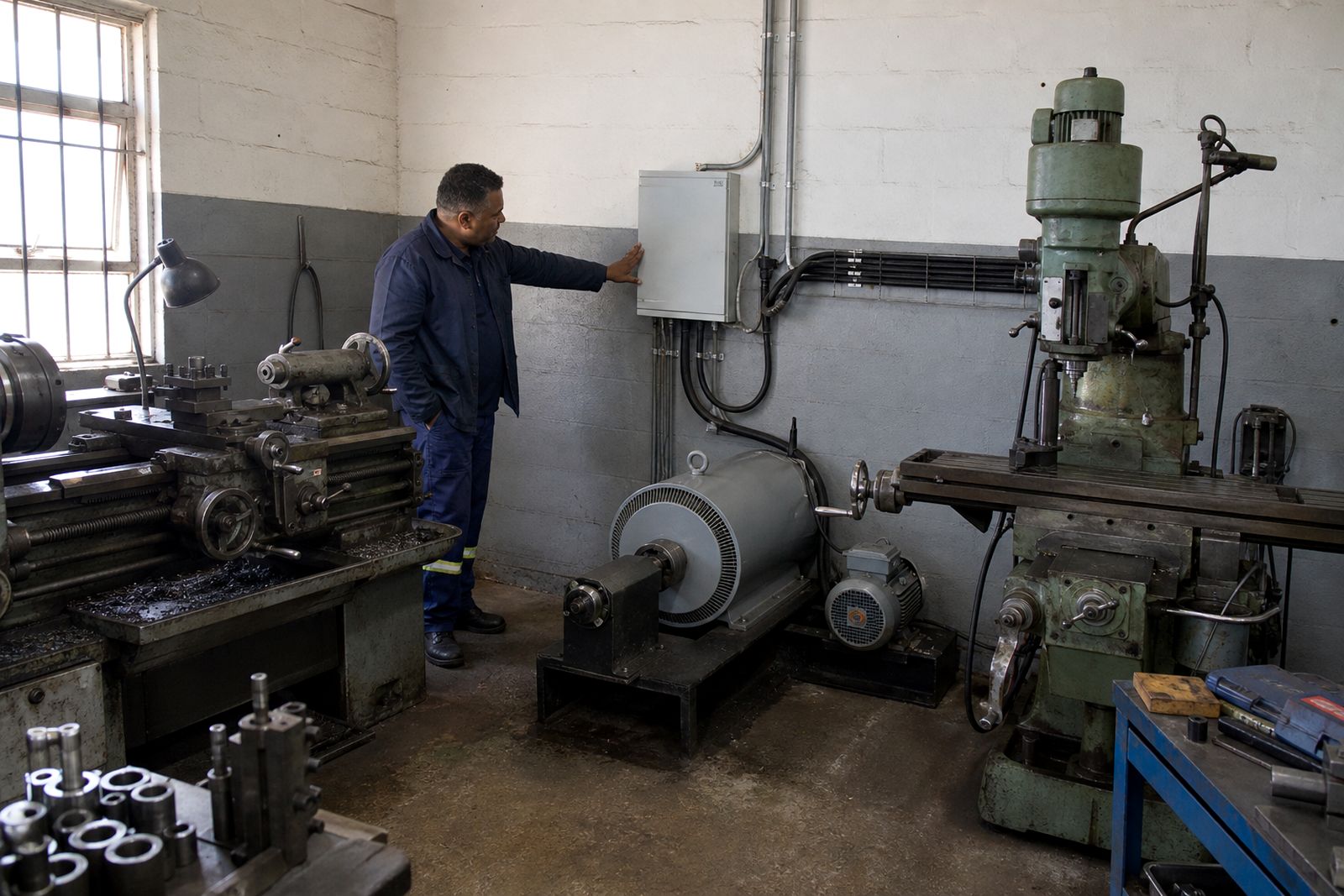
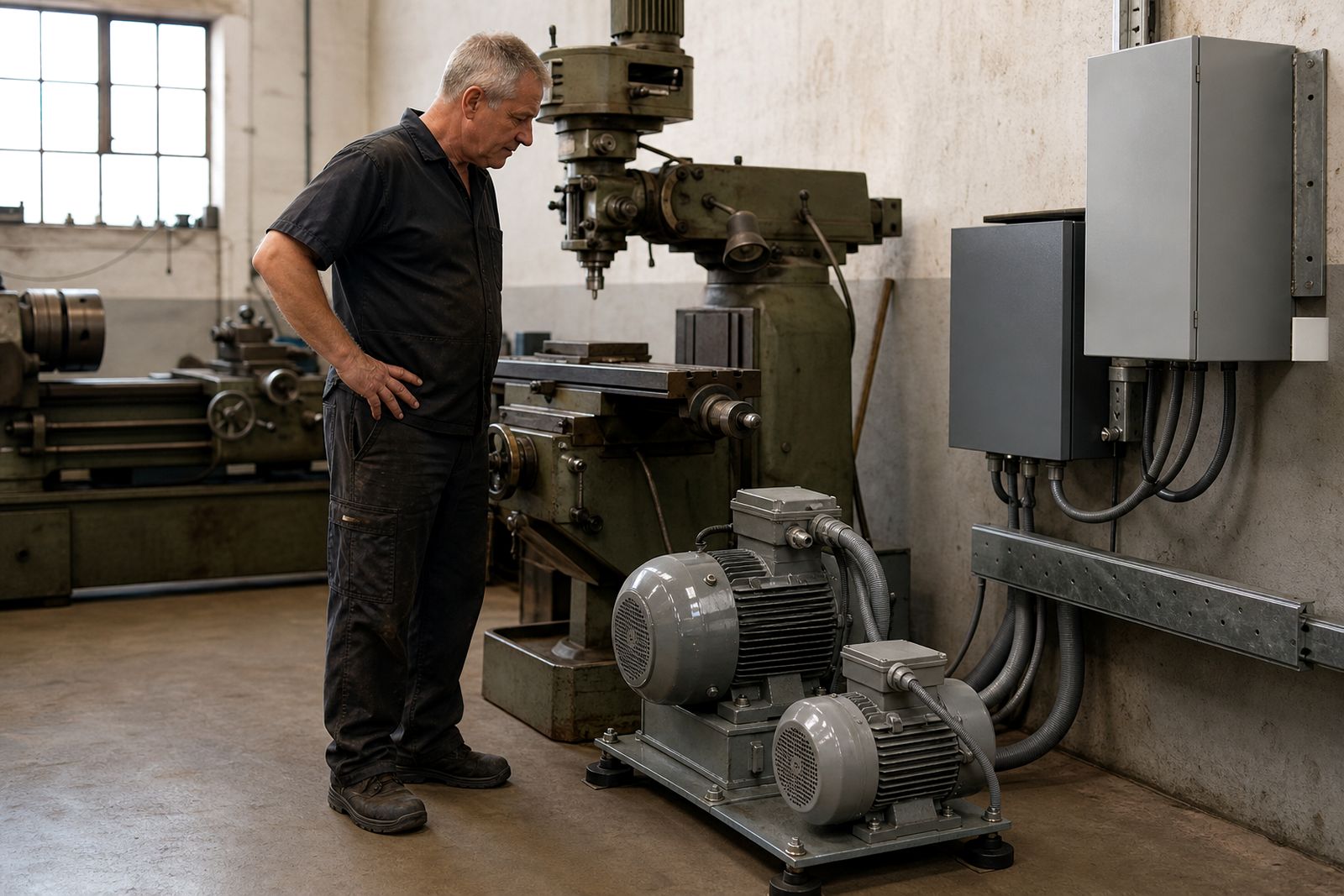
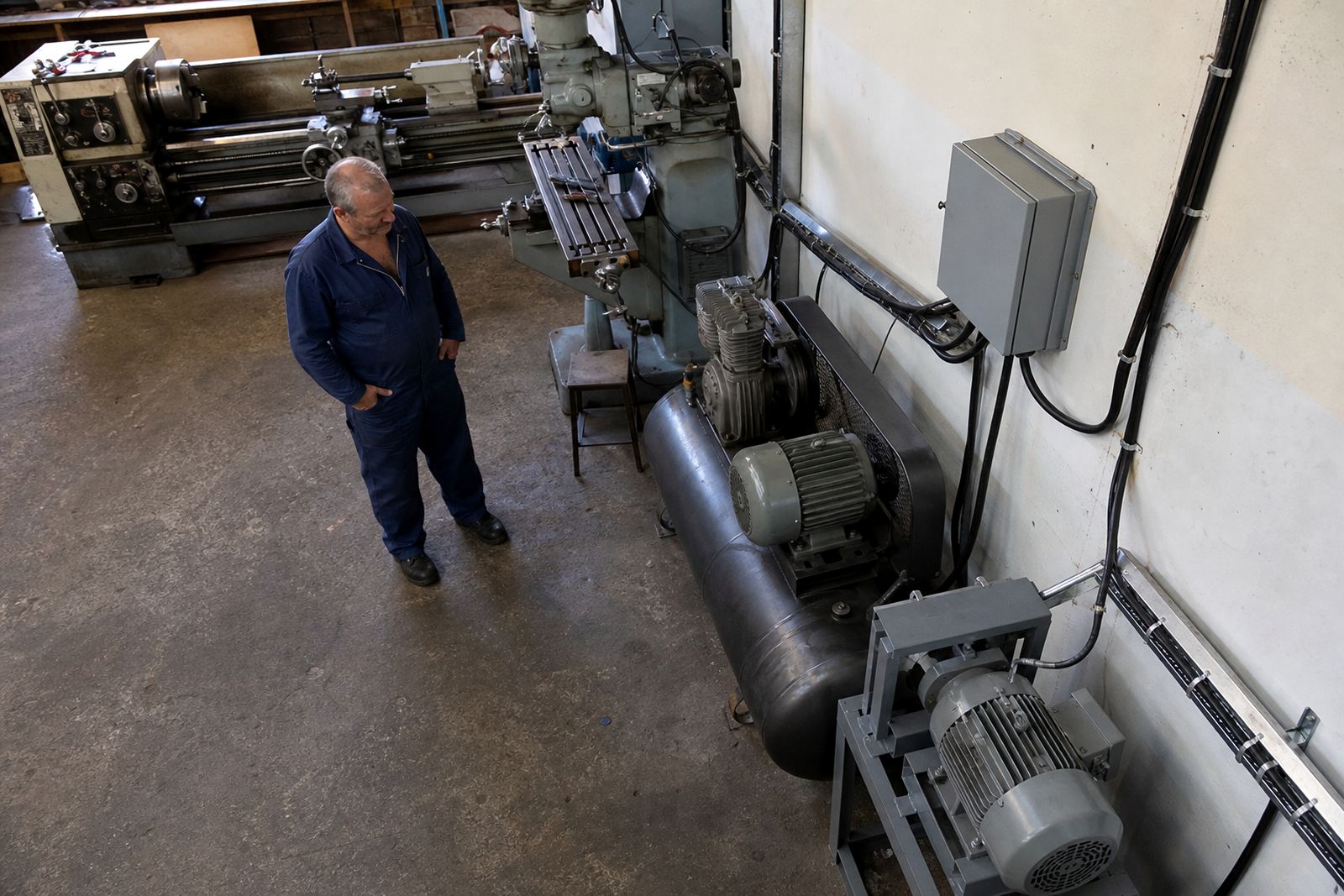
Standing the machine where it will run makes it clear where the supply board is and where new cabling may be needed. Access near benches, sinks, ducting and cupboards in Centurion units decides where isolators and enclosures go, and the board's surroundings show whether space, heat or dust will be a problem.
Load patterns and nameplates
Operator routines for starting and stopping more than one machine at a time help clarify load patterns. The most useful set of details includes the machine nameplate figures, a description of the supply board, breaker information, and a note about anything that trips or struggles during use. That allows sizing to reflect the real load, not just assumptions from machine type.
Visible overload relays, contactors, or panel labels should be recorded, as these components are important for installation planning and ongoing safety checks.
Each Centurion job file holds:
- The actual load, compared with the nameplate
- Board layout and cable route, with the route length in metres
- Tripping, described with when it happens
Important Centurion workshop factors
Landlord restrictions on penetrations, new trunking or external mounting should be mentioned with the first batch of information.
Nearby workshop activity can create dust that affects vents, contactors and terminal cleanliness, even where precision equipment is used. Sensitive instruments sharing the supply should be listed so the converter setup can take the whole room into account.
Records for each machine
Wiring diagrams and connection notes for Centurion machines simplify future maintenance and troubleshooting for any installer or technician working on the setup.
Keep one record for each machine or group of machines that may share a converter. Include full-load current, motor kW if shown, starter type, and whether the equipment uses a brake, pump, compressor or spindle. With these details, an electrician or installer can follow wiring notes and check the setup if the workshop or room layout changes.
What our Phase Converter customers say
Verified Google reviews
Also worth a look
Tell us about your machine
Send a note through our contact form with the machine type, the motor plate kW and voltage, your supply (single-phase breaker size), the cable run and your area, and we will come back with practical converter options and a quote.
Open the contact form