

Operator installation checklist
The checklist helps workshop operators wire, start and test a converter kit using the machine and supply on site.
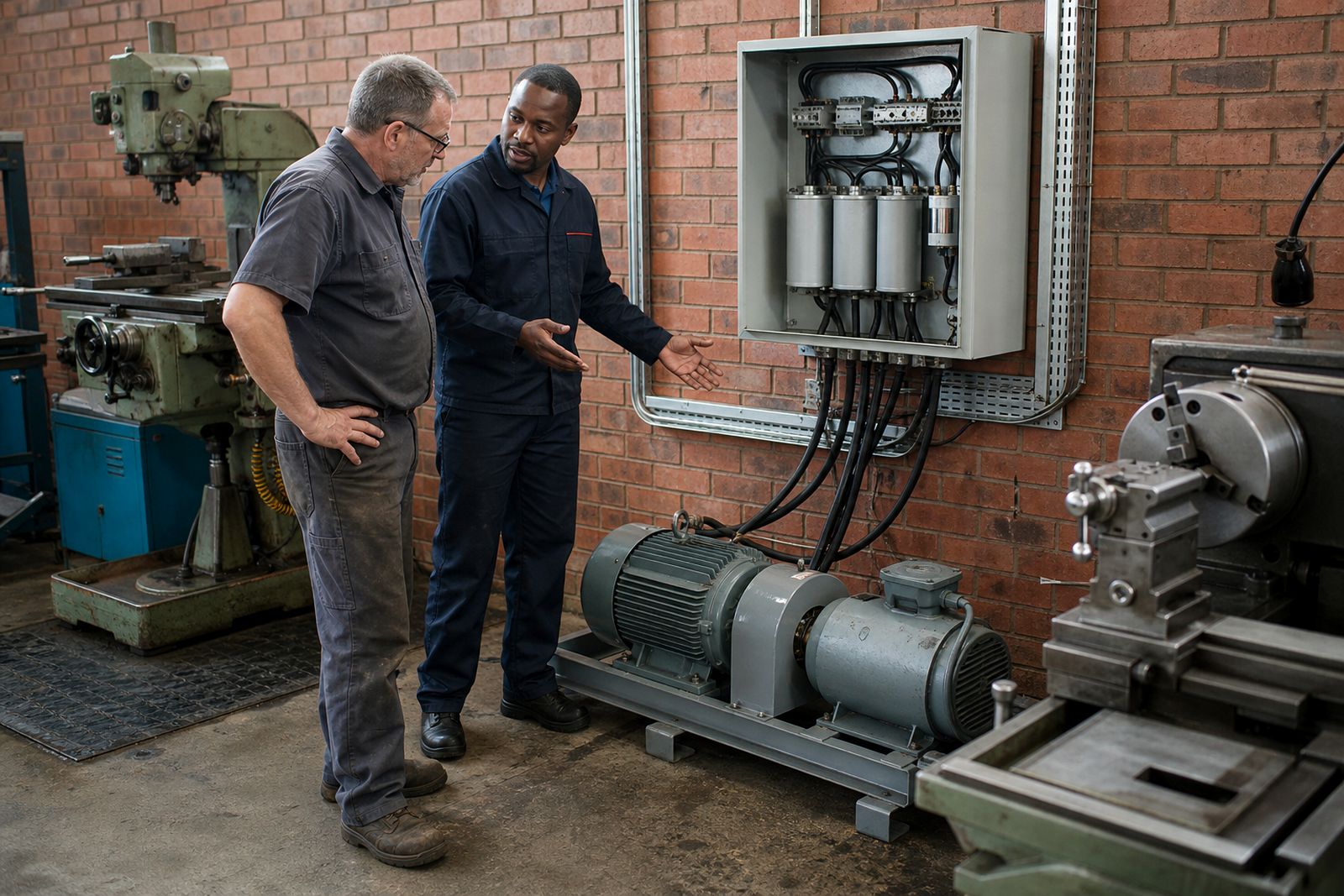
Installation checklist for your machine
The checklist is written for the machine and supply your team actually works with. Plate figures, breaker size and a description of the machine area, including isolator position, mounting space and where voltage readings are taken, go into the enquiry so the checklist matches what is on the wall.
If a control panel sits nearby, mention it, so switching and stop-start checks are included.
Checks at the machine
The checklist takes the team through identifying the incoming supply, confirming rotation, checking terminations and reading overload settings before the first run. Completed copies are kept with the machine record for later servicing or fault tracing.
Each checklist covers three areas:
- Start-up checks for your own machine
- Rotation, overload settings and terminal tightness
- The steps to follow after a trip
Requests should give the converter type and the checks your staff most need: wiring, start procedure or basic fault finding.
Teams taking over an existing machine
Some teams are wiring a fresh installation; others inherit a machine that trips, hums or starts unevenly on single-phase supply. Checklists for the second group give more space to fault tracing: reading the generated leg under load, spotting a failing run capacitor and restarting in the right order after a power cut.
What operators should check before power-up
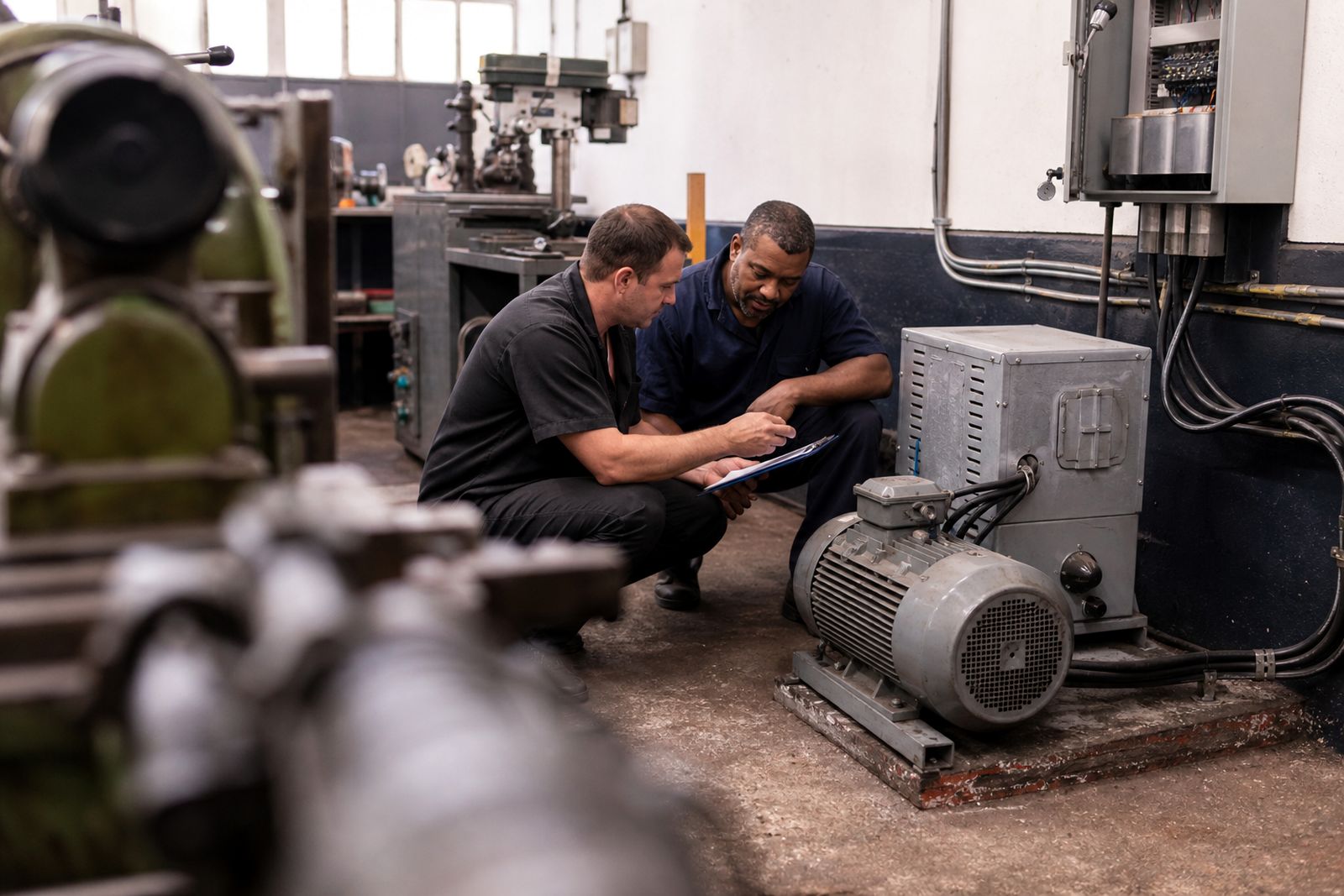
Before the first start, confirm that the machine, converter and supply all match the information in the checklist. On a South African workshop, farm or small plant, that usually means checking the machine nameplate, the incoming supply point, the breaker or distribution board feeding the machine, and where the isolator sits in relation to the operator.
Make sure the team knows which readings to take and where to take them. For rotary converters, note the idler location, any control panel near the machine, and whether the load is a lathe, milling machine, CNC router, compressor, saw, drill press or pump. In humid coastal areas and dusty inland workshops, keep an eye on enclosure condition, cable terminations and any signs of heat at the connections.
- Record the machine nameplate details
- Note the supply arrangement and breaker size
- Mark isolator position and voltage test points
- Include any panel, soft start control or capacitor cabinet near the machine
How to use the checklist during start-up
Use the checklist in the same order every time so the operator, electrician and maintenance team are working from the same notes. Start with the incoming supply, then confirm rotation, then move to terminal tightness, overload settings and the first no-load run. If the converter uses a static kit, idler pack or panel mount, keep the wiring notes with the machine record so later fault tracing is easier.
If the machine trips, hums or starts unevenly, the checklist helps the team slow down and check the basics before restarting. That includes the sequence after a power cut, any loose terminations, and whether the generated leg is behaving as expected under load. For written commissioning guidance, remote checks or warranty help, send the machine details through the contact form and ask for a quote if you need parts or a new converter matched to the supply.
What to send with your support request
When you contact support through the form, send enough detail for the checklist to fit the machine and the way your team works. Clear photos and short notes save time and reduce back-and-forth.
- Machine type and nameplate photo
- Single-phase supply details and breaker size
- Converter type, including rotary or static
- Where the isolator, panel and test points are located
- What happens at start-up, after a trip or during a restart
- Any voltage readings, overload settings or fault notes already taken
If you want to see sample layouts or discuss a suitable setup, you can also arrange a visit by appointment at one of the showrooms, or contact Head office at 2 Makro Place, Sunnyrock, Germiston through the contact form for support on parts, commissioning notes and spares.
What our Phase Converter customers say
Verified Google reviews
Also worth a look
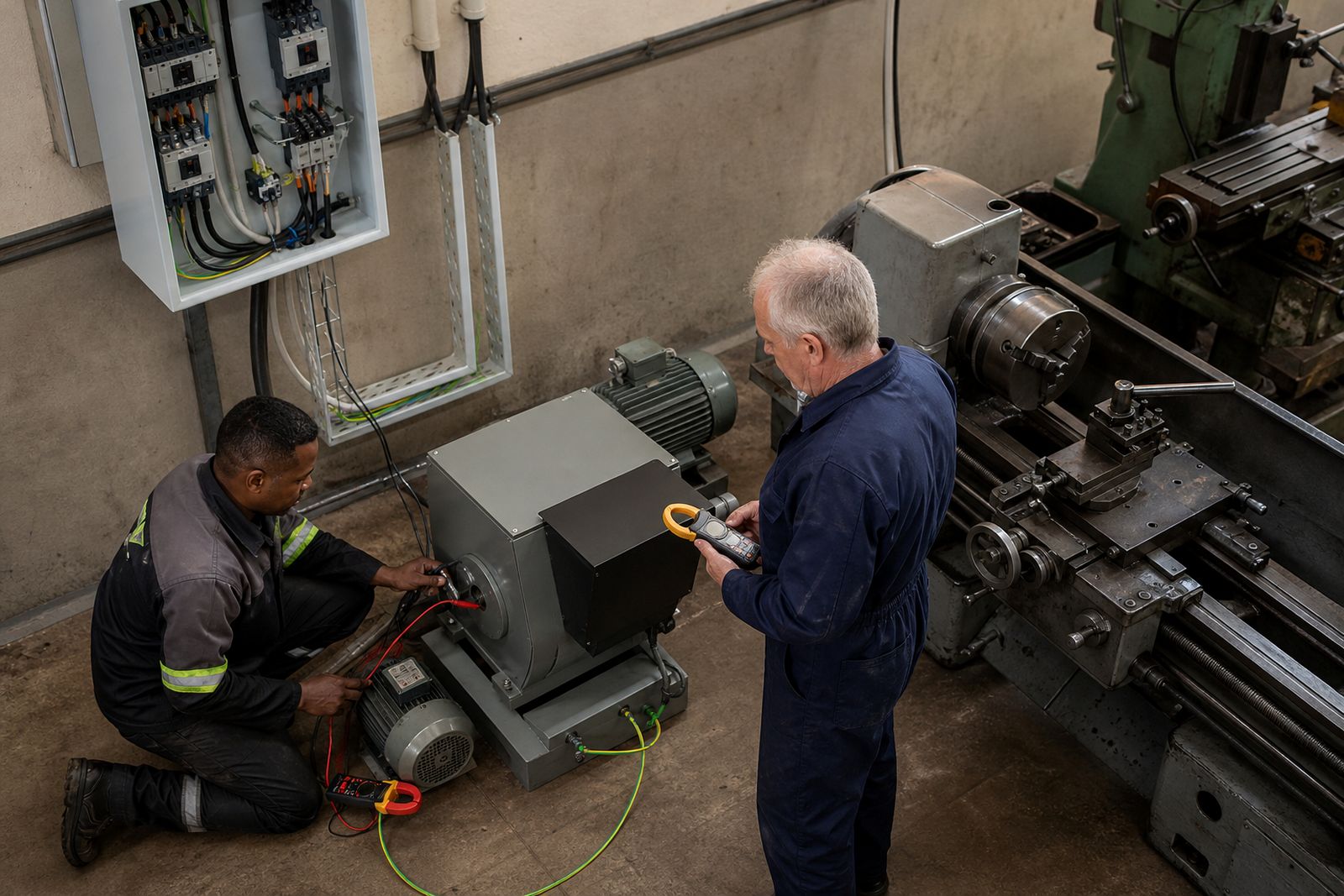
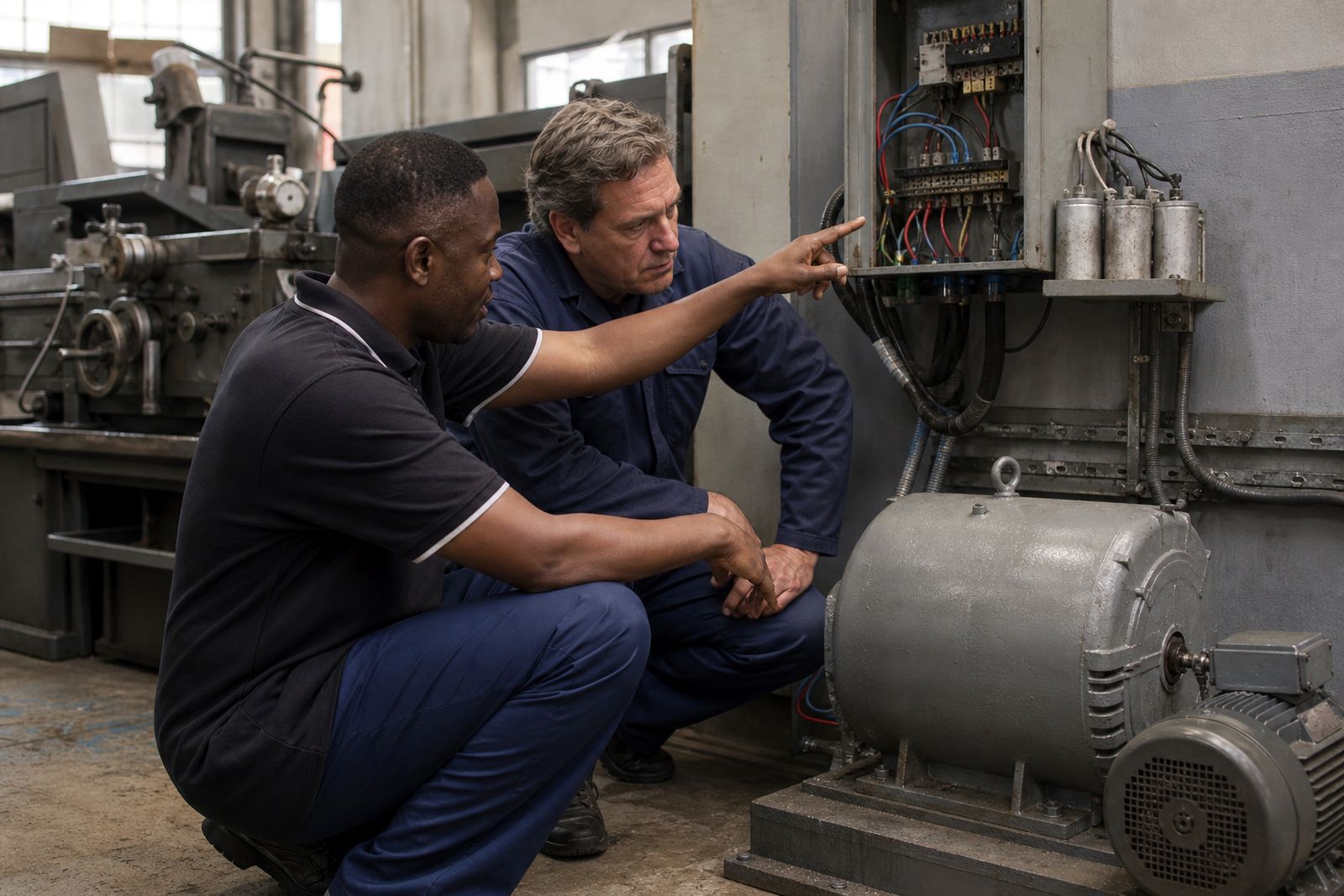
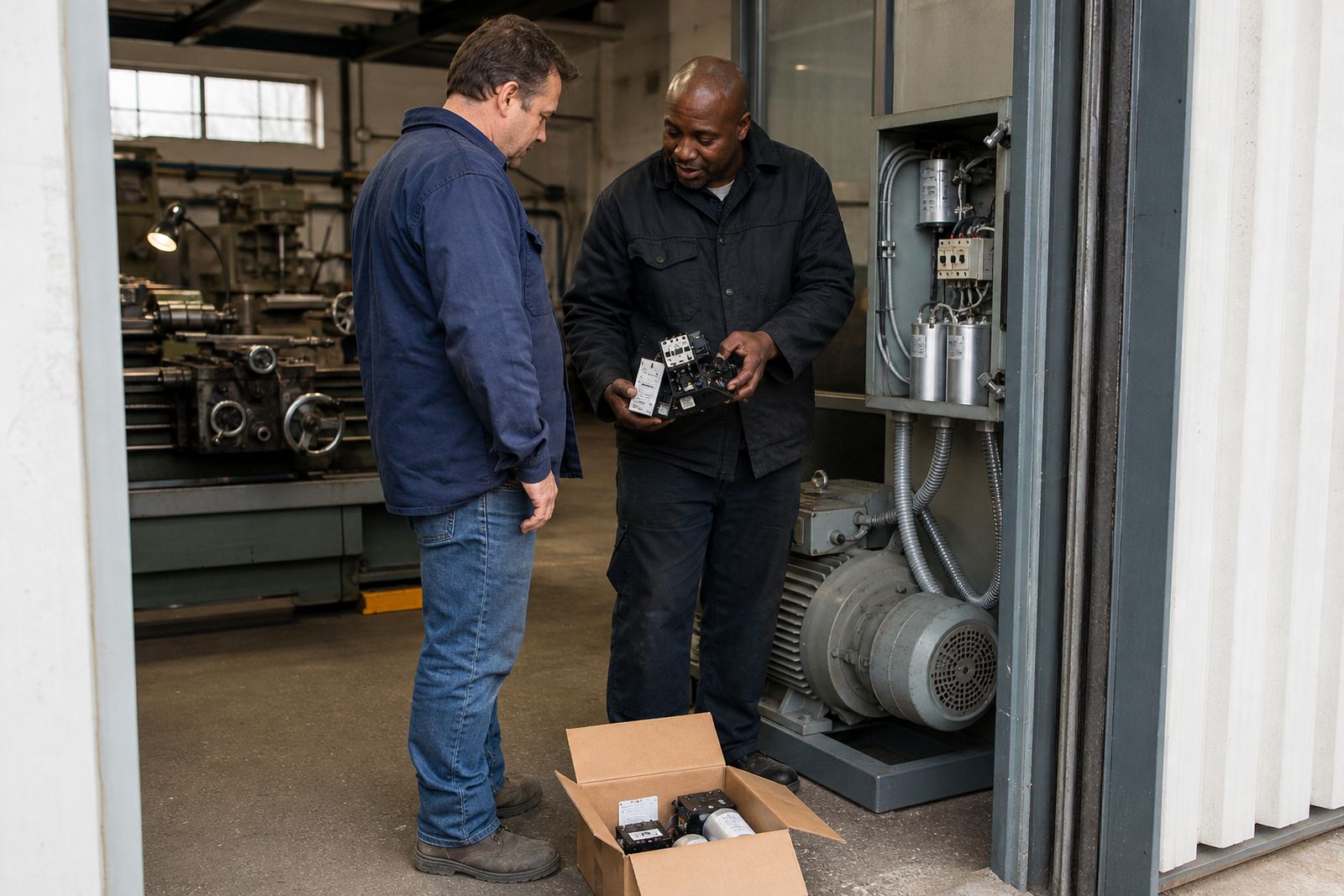
Tell us about your machine
Send a note through our contact form with the machine type, the motor plate kW and voltage, your supply (single-phase breaker size), the cable run and your area, and we will come back with practical converter options and a quote.
Open the contact form